Many drivers believe that car maintenance only matters when something goes wrong. In reality, most expensive repairs are the result of small, preventable mistakes that build up over time. Skipping inspections, ignoring early warning signs, or delaying routine care can quietly reduce your vehicle’s reliability, safety, and lifespan.
This in-depth guide breaks down the most common car maintenance mistakes drivers make and explains exactly how to avoid them. By understanding what goes wrong—and why—you can make smarter decisions, reduce unexpected breakdowns, and keep your vehicle running smoothly for years to come.
Skipping Routine Inspections and Warning Signs
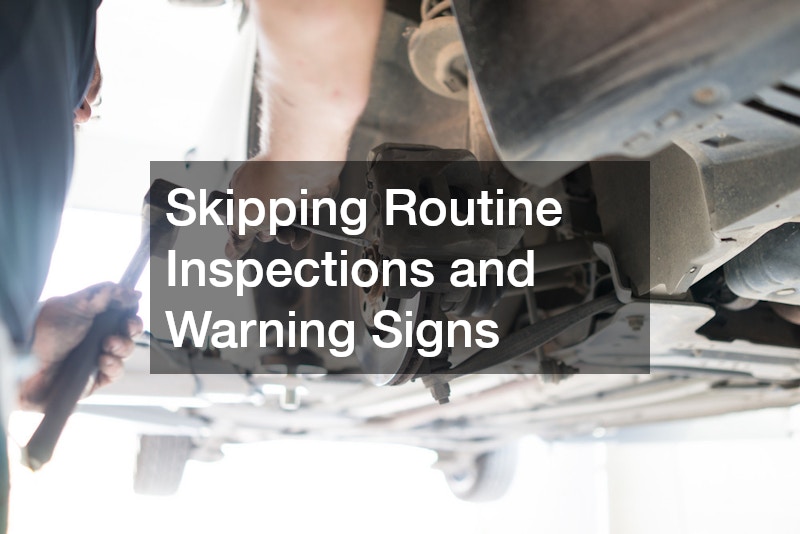
One of the most common and costly mistakes drivers make is ignoring routine inspections. Many vehicle issues start small: a faint noise, a subtle vibration, or a warning light that flickers on and off. When these early signs are dismissed, minor problems can quickly turn into major mechanical failures that are far more expensive to fix. What might have been a simple adjustment or inexpensive replacement can escalate into extensive repairs that take the vehicle out of service for days.
Modern vehicles are designed to alert drivers when something is wrong, but those alerts only help if they’re taken seriously. Oil leaks, worn belts, uneven tire wear, and fluid loss are all issues that can be detected early with basic inspections. Even something as simple as low coolant or brake fluid can lead to overheating or brake failure if left unchecked. Regular inspections also help identify patterns of wear, giving drivers a clearer picture of how their driving habits and road conditions affect the vehicle.
Why drivers skip inspections
- They assume new or newer vehicles don’t need frequent checks
- They’re unsure what to look for and fear wasting time
- They underestimate how quickly damage can escalate
How to avoid this mistake
- Perform a quick visual inspection once a month
- Pay attention to new sounds, smells, or handling changes
- Don’t ignore dashboard warning lights, even if the car seems to drive fine
When an issue does appear, addressing it promptly with experienced local auto repairs can prevent unnecessary damage and keep repair costs manageable. Early intervention almost always saves time, money, and frustration while extending the overall life of the vehicle.
Neglecting Brake System Maintenance
Brake problems rarely appear without warning, yet many drivers miss or ignore the early signs. Because brakes gradually wear down, it’s easy to adapt to declining performance without realizing how much stopping power has been lost. This slow decline creates a false sense of security, making neglected brakes one of the most dangerous maintenance mistakes a driver can make. Reduced braking efficiency can dramatically increase stopping distances, especially in emergency situations or poor weather conditions.
Common symptoms of brake trouble include squealing noises, grinding sounds, vibration during braking, or a soft brake pedal. Some drivers also notice pulling to one side, a burning smell after driving, or a pulsating sensation when slowing down. These warning signs indicate wear that should be addressed immediately, as continued driving can damage rotors, calipers, and other critical components.
Mistakes drivers often make
- Driving until brake pads are completely worn out
- Ignoring noises because the vehicle still stops
- Skipping inspections if brakes “feel fine”
How to avoid brake-related issues
- Have brakes inspected at regular service intervals
- Replace pads before they wear down to metal
- Address rotor issues early to prevent further damage
Proper care of car brakes improves stopping distance, prevents damage to other braking components, and significantly enhances overall driving safety. Routine brake maintenance is far less expensive than repairing the damage caused by complete brake failure and helps ensure reliable performance when it matters most.
Delaying Transmission Care Until Problems Appear
The transmission is one of the most complex and expensive components in a vehicle, yet it’s often ignored until serious problems arise. Because it operates largely out of sight, drivers may not think about it until the vehicle begins to behave unpredictably. Many drivers mistakenly believe transmission fluid never needs service or that problems will announce themselves clearly and suddenly, when in fact damage often builds quietly over time.
In reality, transmission problems tend to develop gradually. Delayed shifting, slipping gears, rough engagement, hesitation when accelerating, or unusual noises are all early indicators that should never be ignored. In some cases, drivers may also notice fluid leaks, a burning smell, or warning lights related to drivetrain performance. Addressing these symptoms early can prevent internal damage that affects multiple transmission components.
Common transmission maintenance mistakes
- Assuming “lifetime fluid” means no service is ever required
- Waiting until the transmission fails before seeking help
- Ignoring small performance changes
Preventive steps to take
- Follow manufacturer recommendations for fluid inspections and service intervals
- Address leaks immediately to prevent fluid loss and overheating
- Pay attention to changes in shifting behavior or responsiveness
Prompt attention can prevent the need for major auto transmission repair, which is typically one of the most costly automotive services. Preventive maintenance protects the transmission, improves driving smoothness, and helps ensure reliable long-term performance.
Overlooking Windshield Chips and Glass Damage
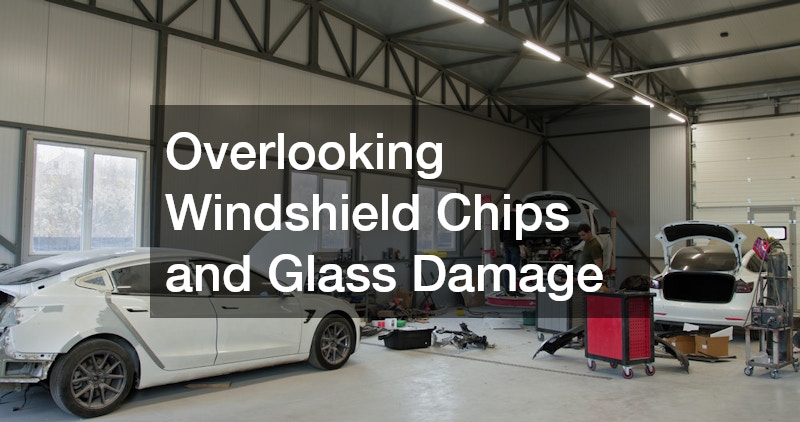
Windshield damage often starts small, which leads many drivers to delay repairs. A tiny chip or hairline crack may not seem urgent, but temperature changes, road vibrations, and moisture can quickly cause it to spread.
The windshield plays a critical role in vehicle safety, contributing to structural strength and proper airbag deployment. Even minor damage can compromise visibility and weaken the glass.
Why drivers delay glass repairs
- The damage appears cosmetic
- Visibility is not immediately affected
- They assume replacement is the only option
How to avoid worsening damage
- Repair chips as soon as they appear
- Avoid extreme temperature changes until fixed
- Keep damaged areas clean and dry
Professional auto glass companies can often repair small chips quickly, preventing the need for full replacement. Acting early preserves safety and minimizes repair costs.
Ignoring Cosmetic Care That Protects Vehicle Surfaces
Many drivers think cosmetic maintenance only affects how a car looks, not how it performs. However, neglecting exterior and interior care can lead to long-term damage that affects both appearance and value. Over time, surface deterioration can expose underlying materials, allowing rust, corrosion, and premature wear to take hold. Once this damage begins, repairs are often far more expensive than routine upkeep would have been.
Dirt, road salt, tree sap, bird droppings, and UV exposure gradually break down paint, trim, and upholstery. Salt accelerates corrosion in metal panels, while sunlight causes paint oxidation and interior fading. Moisture trapped in carpets or seats can also lead to odors and material breakdown. Without consistent protection, these environmental elements shorten a vehicle’s lifespan and reduce its overall appeal.
Common misconceptions
- Washing and waxing are optional
- Interior care doesn’t impact resale value
- Cosmetic damage doesn’t affect longevity
Protective maintenance habits
- Wash regularly to remove harmful contaminants
- Apply wax or sealant to protect paint from UV damage
- Clean and condition interior surfaces to prevent cracking and fading
Routine auto detailing services help protect your vehicle from environmental damage, maintain its appearance, and preserve resale value. Cosmetic care is a form of preventive maintenance that supports long-term durability and keeps your vehicle looking and performing its best.
Failing to Address Minor Body Damage Promptly
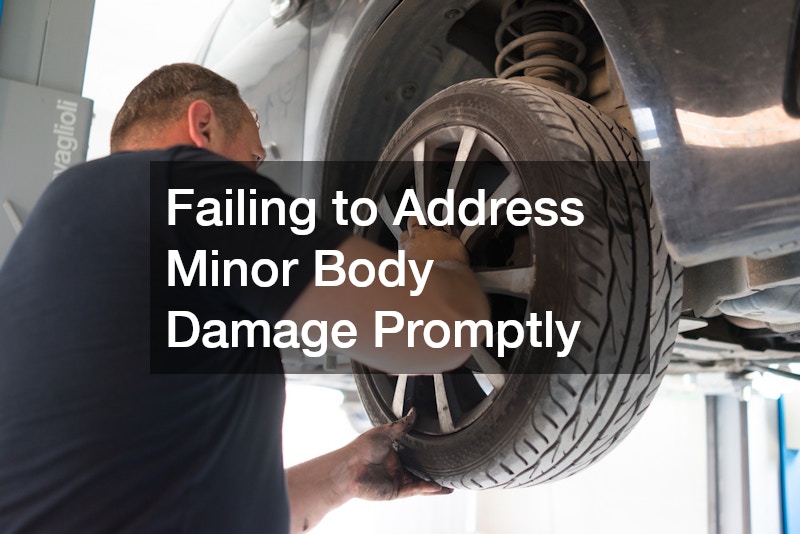
Small dents, scratches, and scuffs are easy to dismiss, especially if they don’t affect drivability or cause immediate inconvenience. Many drivers view this type of damage as purely cosmetic and assume it can be dealt with later. Unfortunately, untreated body damage can lead to more serious problems beneath the surface, often spreading in ways that aren’t immediately visible.
Scratches that penetrate the paint expose bare metal to moisture, road salt, and air, creating ideal conditions for rust. Once corrosion starts, it can spread underneath surrounding paint and weaken panels from the inside out. Dents may also affect how body panels fit together, compromising aerodynamics, drainage, and protective coatings. In some cases, even small impacts can disturb safety-related components hidden behind panels.
Why minor damage matters
- Rust spreads beyond visible areas and becomes harder to stop
- Structural integrity can be compromised over time
- Vehicle value decreases significantly with visible and hidden damage
How to prevent long-term issues
- Repair scratches before corrosion begins
- Address dents that affect panel alignment or sealing
- Inspect damage after even minor impacts or parking lot incidents
Timely auto collision repairs prevent cosmetic issues from becoming structural problems and help maintain both safety and appearance. Acting early reduces repair costs and preserves the vehicle’s long-term durability and value.
Choosing the Wrong Shop After an Accident
After an accident, stress and urgency can lead drivers to make rushed decisions about repairs. Concerns about insurance timelines, transportation, and getting back on the road quickly often take priority over repair quality. Choosing a shop without proper research often results in poor workmanship, mismatched parts, or unresolved safety issues that may not become obvious until much later.
Not all repair facilities offer the same level of expertise, equipment, or quality standards. Some lack the advanced tools required to properly repair modern vehicles, while others may cut corners to save time or reduce costs. The wrong choice can lead to repeat repairs, lingering alignment issues, compromised safety systems, and diminished vehicle performance.
Common post-accident mistakes
- Selecting the closest option without research
- Focusing only on speed or price
- Not asking about certifications or warranties
How to choose wisely
- Look for trained technicians and modern diagnostic and repair equipment
- Ask about repair processes, parts quality, and manufacturer guidelines
- Confirm warranty coverage for both parts and labor
Reputable auto collision shops restore vehicles to proper safety and performance standards, ensuring repairs are done correctly the first time. Taking the time to choose carefully protects your investment, supports long-term reliability, and provides peace of mind after a stressful event.
Forgetting About Emergency Preparedness
Many drivers assume breakdowns will never happen to them, which leads to poor emergency preparedness. Unfortunately, even well-maintained vehicles can experience unexpected issues.
Improper roadside responses can worsen damage or put drivers at risk. Knowing how to handle emergencies safely is an essential part of responsible vehicle ownership.
Preparedness mistakes
- Not carrying emergency supplies
- Attempting unsafe roadside repairs
- Using improper towing methods
Smart preparation tips
- Keep emergency tools and supplies in your vehicle
- Know when to stay inside the car for safety
- Use professional assistance when needed
Reliable towing services ensure your vehicle is transported safely without causing additional damage to critical components like the drivetrain or suspension.
Neglecting Window Tint Maintenance and Legal Compliance
Window tint often goes unnoticed until it starts peeling, bubbling, or discoloring. Beyond appearance, damaged or improperly installed tint can reduce visibility and violate local regulations.
Excessively dark or deteriorating tint can increase eye strain and reduce nighttime visibility, creating safety concerns for drivers and passengers.
Common tint-related mistakes
- Ignoring peeling or bubbling film
- Using illegal tint levels
- Cleaning tint improperly
How to maintain tint properly
- Use non-abrasive cleaning products
- Address damage early to prevent spreading
- Verify compliance with local laws
Professional auto tinting services ensure proper installation, durability, and compliance while maintaining comfort and visibility.
Relying on One-Size-Fits-All Repair Decisions
Every vehicle is different, yet many drivers rely on generic advice or quick fixes without understanding their specific needs. This approach often leads to recurring problems and unnecessary expenses.
Choosing repairs based solely on convenience or cost can overlook underlying issues that require proper diagnosis.
Mistakes to avoid
- Skipping diagnostic testing
- Accepting temporary fixes repeatedly
- Not asking questions about recommended repairs
Smarter decision-making strategies
- Seek detailed explanations for repair recommendations
- Prioritize long-term solutions over short-term savings
- Build a relationship with a trusted service provider
A reliable auto repair shop focuses on accurate diagnostics and preventive care, helping drivers avoid repeat issues and extend vehicle lifespan.
Car maintenance mistakes often stem from misunderstanding, delay, or misplaced priorities rather than negligence. Small oversights—when repeated over time—can compromise safety, increase costs, and shorten a vehicle’s useful life. The good news is that most of these mistakes are entirely preventable with awareness and consistent care.
By paying attention to early warning signs, addressing issues promptly, and making informed maintenance decisions, drivers can protect their investment and enjoy safer, more reliable transportation. Proactive habits today lead to fewer surprises tomorrow and a vehicle that performs at its best for years to come.