Introduction
Long-term vehicle performance does not happen by accident. Cars that remain reliable for years are almost always owned by drivers who follow consistent maintenance habits and pay attention to early warning signs. While modern vehicles are built to last, they still require regular care to keep all systems working efficiently.
Many drivers only think about maintenance when a dashboard warning light appears or when something begins to feel wrong while driving. Unfortunately, waiting until problems become obvious often leads to larger repairs and higher costs. A proactive care plan allows drivers to catch issues early, extend the life of their vehicles, and reduce unexpected expenses.
A comprehensive vehicle care plan should cover more than just the engine. Mechanical systems, exterior protection, interior comfort, and safety features all play a role in how well a vehicle performs over time. By focusing on preventative maintenance and routine inspections, drivers can maintain reliability while protecting the overall value of their vehicles.
The following guide provides practical strategies for maintaining a vehicle from bumper to bumper. With the right approach, drivers can improve performance, enhance safety, and ensure their vehicles remain dependable for years to come.
Create a Preventative Maintenance Schedule That Avoids Expensive Breakdowns
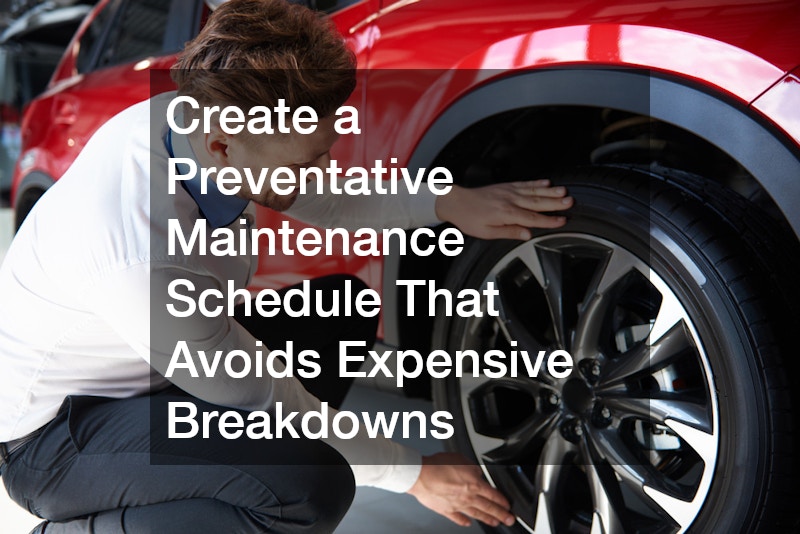
Preventative maintenance is one of the most effective ways to keep a vehicle running smoothly over the long term. When drivers address small problems early, they significantly reduce the risk of major mechanical failures. This approach also makes it easier to predict maintenance costs and avoid sudden breakdowns.
Many drivers rely on a trusted auto repair service to help maintain a consistent schedule. Professional technicians can inspect key components, monitor fluid levels, and identify wear before it becomes serious enough to affect performance.
A preventative schedule typically includes a variety of routine services that keep the vehicle operating efficiently. Some of the most important tasks include:
- Regular oil and filter changes
- Brake system inspections
- Fluid level checks and replacements
- Battery testing
- Belt and hose inspections
Following manufacturer service intervals is a good starting point, but real-world driving conditions often require adjustments. Drivers who frequently commute in stop-and-go traffic or operate their vehicles in extreme temperatures may need more frequent maintenance.
Ignoring minor issues can quickly lead to more complex car repair situations. For example, a small coolant leak may seem insignificant at first, but if it continues unnoticed, it could eventually cause engine overheating and significant damage.
Drivers should also stay alert for warning signs that indicate maintenance may be needed sooner than expected. These signs may include:
- Strange engine noises
- Reduced fuel efficiency
- Unusual vibrations while driving
- Difficulty starting the vehicle
- Dashboard warning lights
When these symptoms appear, scheduling an inspection right away can prevent the issue from developing into a larger problem.
Maintaining a preventative service schedule ensures that mechanical systems continue to operate efficiently and reliably.
Inspect and Maintain Your Tires for Safety and Efficiency
Tires are one of the most important safety components on any vehicle. They are responsible for maintaining traction, absorbing road shock, and supporting the weight of the vehicle. Because they are constantly in contact with the road, they experience gradual wear and must be monitored regularly.
Proper tire maintenance improves fuel efficiency, enhances handling, and reduces the risk of accidents. Even small changes in tire condition can affect how a vehicle performs in everyday driving situations.
Drivers should check tire pressure at least once a month. Maintaining the correct pressure helps ensure that tires wear evenly and maintain proper contact with the road surface.
In addition to monitoring pressure, drivers should also examine tread depth regularly. Worn tread reduces traction, particularly in wet or slippery conditions. When the tread becomes too shallow, the risk of hydroplaning increases significantly.
Important tire maintenance practices include:
- Rotating tires every 5,000 to 8,000 miles
- Inspecting the tread for uneven wear
- Checking pressure before long trips
- Replacing tires when the tread depth becomes too low
Uneven wear patterns may also reveal other mechanical problems that require attention. For example, if tires wear more quickly on one side, it may indicate alignment issues or suspension problems.
Drivers should also consider seasonal driving conditions. In regions that experience cold winters, switching to tires designed for winter traction can greatly improve safety.
Regular inspections and proper maintenance ensure that tires provide consistent traction and reliable performance throughout their lifespan.
Protect Your Vehicle’s Exterior from Daily Wear and Environmental Damage
The exterior of a vehicle faces constant exposure to environmental conditions that gradually wear down the paint and finish. Sunlight, road debris, rain, snow, and contaminants all contribute to fading, scratches, and deterioration over time.
Protecting the exterior finish is an important part of long-term vehicle care. Some drivers choose protective solutions such as auto wraps, which create a durable barrier that shields the original paint from damage caused by rocks, road salt, and ultraviolet radiation.
Routine washing is also essential for protecting the vehicle’s finish. Dirt, bird droppings, and tree sap can damage paint if they remain on the surface for extended periods.
Consistent exterior care should include:
- Washing the vehicle every few weeks
- Removing contaminants quickly
- Applying wax or sealant for protection
- Cleaning wheels and brake dust
For a deeper level of protection, many vehicle owners schedule professional auto detailing services several times a year. Detailing professionals use specialized equipment and products to clean, polish, and protect the exterior surfaces more thoroughly than standard car washes.
Professional detailing may include:
- Paint polishing to remove minor scratches
- Protective coatings that shield against UV damage
- Deep cleaning of trim and wheels
- Restoration of faded plastic or rubber components
Regular exterior maintenance helps maintain the vehicle’s appearance while also protecting it from long-term environmental damage.
Maintain a Comfortable and Functional Cabin Environment

While mechanical reliability is critical, the interior environment also plays an important role in overall vehicle satisfaction. A clean and well-maintained cabin improves comfort, reduces distractions, and enhances the driving experience.
Interior materials are constantly exposed to sunlight, temperature changes, and everyday use. Over time, this exposure can cause surfaces to crack, fade, or become worn.
Drivers often begin to notice problems such as torn upholstery, worn seat cushions, or damaged trim. When these issues appear, professional auto interior repairs can restore many components and prevent further deterioration.
Interior care should begin with simple habits that keep surfaces clean and protected. For example, regularly vacuuming carpets and wiping down surfaces can prevent the buildup of dust and debris.
Helpful interior maintenance practices include:
- Cleaning spills immediately
- Using protective conditioners on leather seats
- Installing sunshades during hot weather
- Vacuuming carpets and upholstery regularly
Many drivers also choose to upgrade their in-car entertainment systems. Improving sound quality and connectivity can make long drives more enjoyable. A professional car audio installation can enhance the driving experience by adding new speakers, amplifiers, or modern infotainment features.
These upgrades may include:
- High-quality speaker systems
- Bluetooth connectivity upgrades
- Smartphone integration
- Subwoofers for improved sound depth
Maintaining the interior ensures that the vehicle remains comfortable and enjoyable for both drivers and passengers.
Keep Your Transmission System Running Smoothly
The transmission is responsible for transferring engine power to the wheels and allowing the vehicle to change speeds efficiently. Because it operates under constant mechanical stress, proper care is essential to ensure long-term reliability.
Transmission problems often develop gradually, making early detection especially important. Drivers should watch for changes in how the vehicle shifts gears or responds during acceleration.
Routine maintenance typically involves monitoring transmission fluid levels and replacing fluid according to manufacturer recommendations. Clean fluid helps lubricate internal components and prevents excessive heat buildup.
Common warning signs of transmission trouble include:
- Delayed gear engagement
- Rough or jerky shifting
- Unusual grinding noises
- Fluid leaks beneath the vehicle
When these symptoms appear, technicians may recommend inspections or transmission repairs to prevent further damage.
Drivers can also protect the transmission by adjusting driving habits. Smooth acceleration and gradual braking reduce strain on internal components and extend the life of the system.
Additional tips for protecting the transmission include:
- Avoiding excessive towing loads
- Allowing the engine to warm up in cold weather
- Maintaining proper fluid levels
Taking care of the transmission helps ensure smooth performance and reduces the likelihood of costly repairs in the future.
Address Structural and Cosmetic Damage Before It Spreads
Small dents, scratches, and paint chips often seem minor, but they can lead to larger problems if they are ignored. Even a small scratch that exposes bare metal can eventually lead to rust and corrosion.
When exterior damage appears, visiting a professional auto body shop can help restore the vehicle’s appearance while preventing further deterioration.
Technicians at these facilities are trained to repair dents, align panels, and match paint colors so that repairs blend seamlessly with the original finish.
Common situations that require professional body repair include:
- Deep scratches that penetrate the paint
- Dents caused by minor collisions
- Misaligned panels after an accident
- Rust formation around damaged areas
Repairing damage early helps maintain both the structural integrity and visual appeal of the vehicle. It also prevents corrosion from spreading to surrounding areas.
Routine inspections of the exterior can help identify problems before they become severe.
Maintain Clear Visibility and Protect Glass Components

The windshield is a critical safety feature that provides visibility and structural support for the vehicle’s cabin. Even small cracks or chips can weaken the glass and obstruct the driver’s view.
Road debris is one of the most common causes of windshield damage. Small rocks kicked up by other vehicles can create tiny chips that expand over time.
Temperature changes can also worsen existing cracks. For example, running a defroster on a cold windshield can cause the glass to expand rapidly, making a small crack grow larger.
When damage spreads across the windshield, drivers may need professional windshield replacement services to restore safety and visibility.
Drivers can reduce the likelihood of damage by following several simple practices:
- Maintaining a safe distance from construction vehicles
- Replacing worn windshield wipers
- Avoiding sudden temperature changes on the glass
- Repairing chips quickly before they spread
Maintaining clear glass ensures safe driving conditions and protects the structural integrity of the vehicle.
Combine Mechanical, Cosmetic, and Interior Care Into One Routine
The most effective vehicle care strategies consider every aspect of the car rather than focusing on a single area. Mechanical maintenance, exterior protection, and interior upkeep all contribute to long-term performance.
Drivers who create a routine that includes both mechanical inspections and appearance maintenance often enjoy better reliability and higher resale value.
For example, periodic visits for auto detailing services help maintain the exterior finish while also keeping the cabin clean and comfortable.
At the same time, monitoring the condition of interior materials allows drivers to address problems early. If upholstery begins to tear or surfaces show heavy wear, professional auto interior repairs can restore these areas before the damage spreads.
A balanced vehicle care routine might include:
- Monthly checks of fluids and tire condition
- Seasonal exterior cleaning and protection
- Annual deep interior cleaning
- Prompt repair of cosmetic damage
When all aspects of the vehicle receive attention, it becomes much easier to maintain consistent performance and appearance.
Build a Long-Term Service Relationship With Trusted Professionals

Finding experienced technicians and maintaining a long-term service relationship can greatly improve the effectiveness of vehicle maintenance. When mechanics become familiar with a vehicle’s service history, they can identify patterns and anticipate potential issues more easily.
Working with the same auto repair service over time also ensures that maintenance records remain organized and accessible. This makes it easier to track service intervals and plan future maintenance.
Experienced technicians can also monitor complex systems such as transmissions and identify early warning signs that might eventually require transmission repairs.
Drivers should consider several factors when choosing a reliable service provider:
- Professional certifications and experience
- Transparent pricing and communication
- Positive customer reviews
- Familiarity with the vehicle’s make and model
A trusted repair professional can provide valuable advice on preventative maintenance and help drivers make informed decisions about repairs.
Conclusion
A comprehensive vehicle care plan is one of the most effective ways to maintain long-term performance and reliability. When drivers combine preventative maintenance, responsible driving habits, and regular inspections, they significantly reduce the likelihood of major mechanical problems.
Consistent attention to both mechanical systems and cosmetic condition helps protect the value of a vehicle while improving safety and comfort. Small maintenance tasks performed regularly can prevent expensive repairs and extend the life of important components.
By taking a proactive approach and following a structured care routine, drivers can ensure their vehicles remain dependable for many years. A well-maintained vehicle not only performs better but also provides peace of mind on every trip.