
Understanding when to take your car in for a tune-up can extend its life, enhance its performance, and prevent costly repairs. This article will explore common questions regarding auto repairs and help you make informed decisions.
1. What are the signs that your car needs a tune-up?
Unusual Engine Noises
Unusual engine noises can be one of the first indicators that your vehicle requires a tune-up. This might include knocking, tapping, or squealing sounds that were not present before.
Such noises often result from issues with the ignition system, such as worn spark plugs or faulty ignition timings. If left unaddressed, these problems could lead to more serious engine damage. Being proactive about unusual sounds can save a significant amount of money on repairs in the long run.
Decreased Fuel Efficiency
Another clear signal that your car might need a tune-up is a noticeable drop in fuel efficiency. Typically, a properly functioning engine should optimize fuel consumption, ensuring you get the most mileage out of every gallon. However, factors such as clogged air filters, aging spark plugs, or incorrect tire pressure can all contribute to decreased fuel performance. Addressing these issues promptly not only saves money at the pump but also reduces the vehicle’s environmental impact. Regular checks and following auto repairs can help identify and rectify these efficiency-robbing problems.
Poor Acceleration or Stalling
Poor acceleration and occasional stalling are clear indicators that your vehicle might need a thorough inspection and potentially a tune-up. Several factors, like a clogged fuel injector or dirty air filters, might impede the car’s performance. These issues affect drivability and can lead to unsafe driving conditions. Ensuring prompt attention to these signs can restore your car’s optimal performance levels. Regular tune-ups help keep such elements in check, sustaining your vehicle’s power output.
2. How often should you get a car tune-up?
Manufacturer’s Recommendations
Following the manufacturer’s recommendations is crucial for maintaining your car’s longevity and performance. Car manufacturers typically provide a detailed schedule suggesting when specific maintenance tasks should be completed. Sticking to these guidelines can help avoid voiding warranties and ensure that your car operates as it should. Many manufacturers suggest tune-ups after covered mileage intervals, typically around 30,000 miles. This periodic maintenance is designed to check and replace components before they begin affecting the vehicle’s operation.
Driving Conditions and Habits
Driving conditions and habits significantly affect how often your car needs a tune-up. Adverse conditions such as frequent stop-and-go traffic, long commutes, or harsh weather can wear on a vehicle more quickly. Similarly, aggressive driving habits might increase the rate at which parts degrade. Monitoring how your car performs in various conditions and adjusting your maintenance schedule accordingly ensures longevity and reliability. A proactive approach based on driving conditions can prevent potential breakdowns.
Mileage Vs. Time Considerations
Tune-up intervals can be based on either mileage or time, whichever comes first. Even if your car is not driven frequently, components can degrade simply with time. Regular time-based checks ensure that items like rubber components, fluids, and filters that might degrade due to age are addressed. Mileage-based services are more common and can help identify wear-and-tear issues due to distance traveled. Balancing both mileage and time considerations helps keep your car in optimal working condition regardless of use patterns.
3. What does a car tune-up typically include?
Spark Plugs and Wire Inspection
Inspecting spark plugs and wires is a critical component of any tune-up as they play a minor yet vital role in the ignition process. Over time, these parts can wear out, leading to decreased engine performance and increased fuel consumption. Replacing worn spark plugs and checking the condition of the related wires can restore the efficiency of the engine. Newer vehicles require less frequent spark plug changes, but regular inspections remain essential. A thorough inspection can prevent issues like engine misfires or difficult starts.
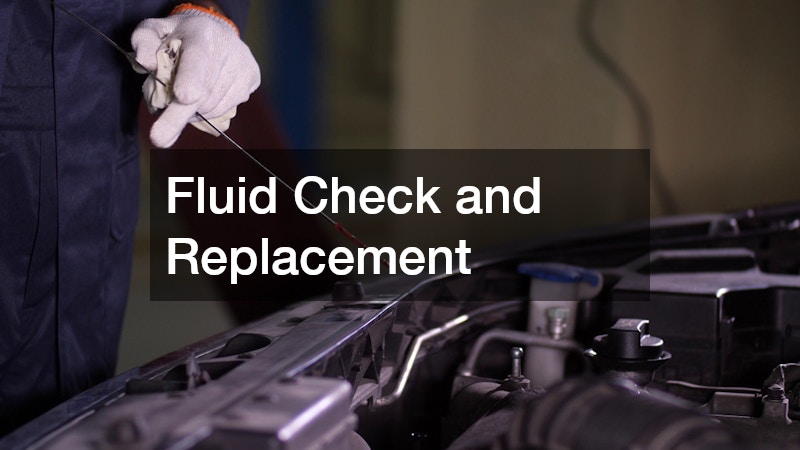
Fluid Check and Replacement
Tune-ups typically include a comprehensive fluid check and replacement to ensure your car operates efficiently. Essential fluids like engine oil, coolant, brake, transmission, and power steering fluids play specific roles in maintaining the vehicle’s performance. It’s crucial to ensure these fluids are at proper levels and free of contaminants to keep the vehicle’s systems running smoothly. Neglecting fluid health can lead to issues such as overheating or transmission failure. A professional tune-up ensures that all fluids are topped off or replaced as necessary.
Air Filter and Fuel Filter Replacement
Replacing air and fuel filters is an integral part of a car tune-up aimed at enhancing performance and efficiency. A clogged air filter can limit airflow to the engine, reducing fuel efficiency and causing potential engine strain. Similarly, a blocked fuel filter can impede the proper flow of fuel, leading to engine performance issues. Regularly replacing these filters ensures that the engine receives the necessary air and fuel, optimizing combustion and performance. Keeping these components clean ensures consistent and smooth engine operation.
Regularly scheduled car tune-ups play a critical role in vehicular health, safety, and efficiency. By recognizing the signs and understanding the tune-up process, you can better maintain your automobile and keep it running smoothly. Consistent auto repairs not only prevents downtime but also extends the life and performance of your vehicle.