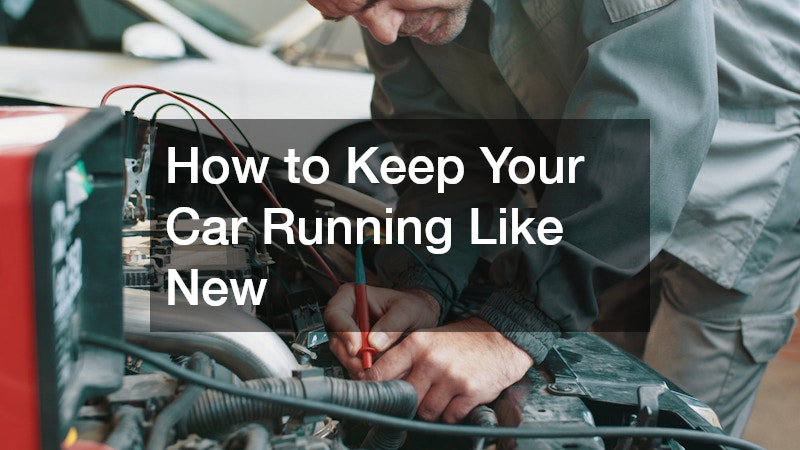
There’s a noticeable difference between a car that’s simply “still running” and one that feels smooth, reliable, and close to the day it left the showroom. That difference rarely comes down to luck. It’s usually the result of consistent care, smart decisions, and knowing when to act before problems grow.
Many drivers assume that major issues just happen over time. In reality, most expensive repairs result from small problems that were ignored or delayed. The good news is that keeping your car in top condition doesn’t require expert-level knowledge or constant attention. It comes down to a handful of habits and informed choices that, when combined, can extend the life of your vehicle by years.
From simple routines to smarter financial decisions, you’ll learn how to maintain performance, protect your investment, and keep your car feeling like new for as long as possible.
Build a Simple Maintenance Routine You’ll Actually Stick To
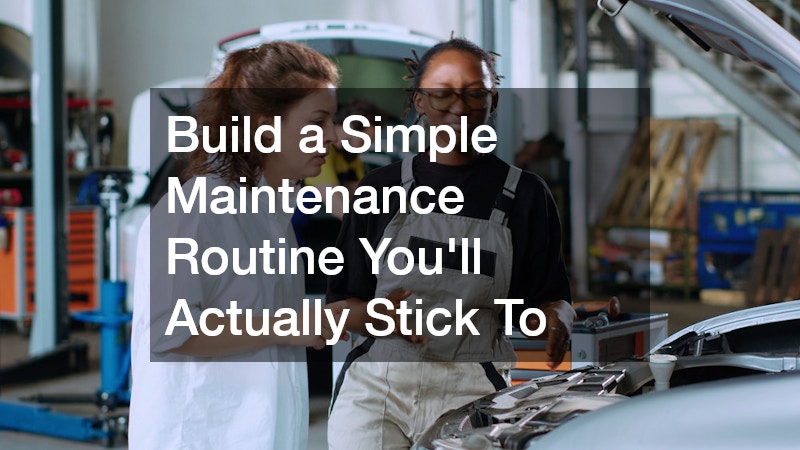
The foundation of a long-lasting vehicle is consistency. You don’t need a complicated system, but you do need a routine that you’ll actually follow.
One of the most important and easiest habits to maintain is scheduling a regular oil change. Engine oil lubricates moving parts, reduces heat, and prevents buildup that can lead to serious damage. Skipping or delaying this simple task is one of the fastest ways to shorten your engine’s lifespan.
A practical approach:
- Check your owner’s manual for recommended intervals
- Adjust based on your driving habits (short trips, heavy traffic, extreme weather)
- Set reminders on your phone or calendar
- Keep a simple log of completed services
Beyond oil, think in terms of a maintenance rhythm:
- Monthly: tire pressure, fluid levels, visual inspections
- Quarterly: tire rotation, brake checks
- Annually: full inspection, filters, battery testing
Working with a trusted local auto repair shop can simplify this process. Instead of trying to track everything yourself, you can rely on professionals to flag upcoming needs and keep your vehicle on schedule. Over time, this relationship becomes one of your most valuable tools in maintaining performance.
Don’t Ignore Small Issues Before They Become Big Repairs
One of the most common mistakes car owners make is waiting too long to address minor issues. A faint noise, a slight vibration, or a warning light may seem harmless, but these early signs are often your vehicle’s way of asking for attention.
For example, brakes rarely fail without warning. They usually give you clear signals:
- Squeaking or grinding noises
- A soft or spongy pedal
- Vibrations when stopping
- Increased stopping distance
Addressing these signs early with professional brake repair services can save you from more expensive repairs later. What starts as worn pads can quickly escalate into damaged rotors or calipers if ignored.
Regular inspections through local auto repair services are another key defense. Even if your car feels fine, a trained technician can spot wear patterns and emerging issues that aren’t obvious yet.
To stay ahead:
- Pay attention to new sounds or sensations
- Don’t dismiss dashboard warnings
- Schedule inspections before long trips
- Fix small problems promptly
The goal is simple: treat small issues as opportunities to prevent bigger ones.
Protect Your Engine with Preventive Repairs
Your engine is the heart of your vehicle, and certain components within it require proactive attention. One of the most critical is the timing belt.
This part keeps your engine’s internal components moving in sync. If it fails, it can cause severe damage, often requiring a full engine rebuild or replacement. Unlike some parts that show gradual wear, a timing belt can fail suddenly if neglected.
Manufacturers typically recommend replacing it between 60,000 and 100,000 miles, but this varies. Waiting for visible symptoms isn’t a safe strategy, though some warning signs can include:
- Ticking noises from the engine
- Difficulty starting
- Misfires or rough idling
When scheduling timing belt repair, it’s often wise to replace related components at the same time, such as:
- Water pump
- Tensioners and pulleys
- Drive belts
This approach reduces labor costs and ensures everything wears evenly moving forward.
Preventive repairs like this may feel unnecessary in the moment, but they are one of the most effective ways to avoid catastrophic failures and keep your car running smoothly.
Keep the Exterior Looking and Functioning Like New
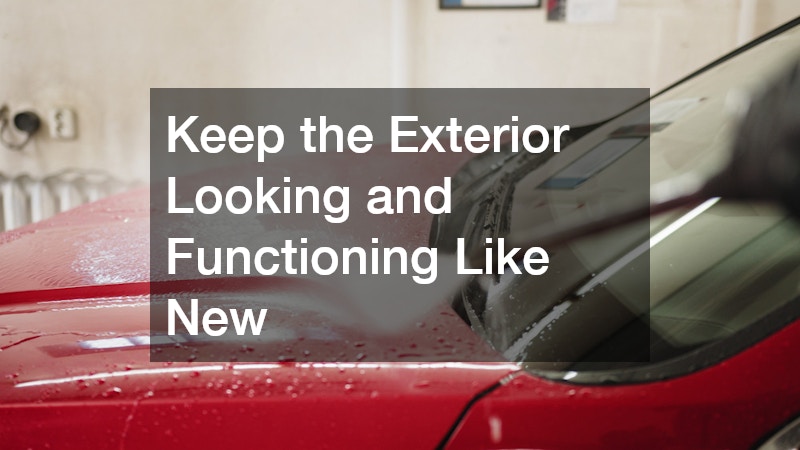
A car’s exterior does more than create visual appeal. It protects the underlying structure from the elements. Neglecting small cosmetic issues can lead to bigger problems over time.
Scratches, chips, and dents may seem minor, but they can expose metal surfaces to moisture and air, which can lead to rust. Once rust sets in, it spreads and becomes significantly more expensive to fix.
Professional auto body repair helps maintain both appearance and structural integrity. Addressing damage early ensures that protective coatings remain intact and prevents long-term deterioration.
Simple habits can also make a big difference:
- Wash your car regularly to remove dirt and salt
- Apply wax or sealant to protect the paint
- Park in shaded or covered areas when possible
- Avoid tight parking spaces that increase the risk of dings
Even small efforts to protect your car’s exterior can preserve its value and keep it looking newer for longer.
Maintain a Clean, Comfortable Interior
The inside of your car is where you spend your time, and its condition plays a major role in how “new” your vehicle feels. Worn, stained, or damaged interiors can make even a mechanically sound car feel aged.
Proper care of auto upholstery helps maintain comfort and value. Dirt, spills, and sunlight are the biggest threats, gradually breaking down materials over time.
To keep your interior in top shape:
- Vacuum regularly to remove debris
- Clean spills immediately to prevent staining
- Use protective products suited for your material (leather, fabric, etc.)
- Apply UV protection to reduce fading and cracking
If damage does occur, addressing it early is key. Small tears or worn areas are often repairable, while neglect can lead to full replacements. Being proactive about maintenance can save both time and money in the long run.
Additional tips:
- Use seat covers in high-traffic areas: Invest in durable, washable seat covers to protect your upholstery from spills, dirt, and wear.
- Keep a small cleaning kit in your car: include microfiber cloths, a multi-surface cleaner, and a small vacuum or brush to tackle messes as they happen.
- Avoid eating messy foods inside when possible; opt for snacks that are less likely to cause spills or crumbs. If you do indulge, make sure to keep napkins handy.
- Regular vacuuming: Make it a habit to vacuum the interior at least once a month to prevent dirt and debris from accumulating in hard-to-reach areas.
- Protect from UV damage: Use sunshades or park in the shade to protect your upholstery from UV rays, which can fade and crack materials over time.
- Treat stains immediately: If a spill occurs, clean it up promptly to prevent staining. Different materials may require specific cleaning solutions, so be sure to research the best options.
- Schedule professional cleanings: Consider having your car’s interior professionally detailed at least once a year. This can help rejuvenate materials and maintain that new car feel.
A clean, well-maintained interior not only improves your daily experience but also supports long-term resale value. By taking these preventive steps, you can ensure your vehicle remains a pleasant, comfortable space for years to come.
Upgrade Smartly Without Hurting Performance
Upgrading your vehicle can enhance comfort and enjoyment, but it’s important to do it thoughtfully. Poorly planned modifications can create electrical issues or reduce reliability.
One common upgrade is improving your audio system. A professional car stereo installation ensures that components are properly integrated without interfering with your vehicle’s electrical system.
When considering upgrades:
- Choose high-quality components
- Ensure compatibility with your vehicle
- Avoid overloading electrical circuits
- Work with experienced professionals
Upgrades should complement your vehicle, not complicate it. Focus on improvements that enhance your daily driving experience without introducing unnecessary risks.
Examples of smart upgrades:
- Improved sound systems
- Backup cameras
- Updated infotainment systems
When done correctly, these changes can make your car feel modern and enjoyable without compromising performance.
Make Smarter Financial Decisions Around Your Vehicle

How you finance your vehicle can impact your ownership experience more than you might expect. Interest rates, loan terms, and flexibility all play a role in your overall cost.
Understanding the differences between a bank vs credit union auto loan can help you make a more informed decision. Credit unions often offer:
- Lower interest rates
- More personalized service
- Flexible terms
Banks, on the other hand, may provide:
- Convenience and accessibility
- Online tools and resources
- Broader product offerings
Choosing the right option depends on your priorities. The goal is to align your financing with your long-term plans for the vehicle.
Additional tips:
- Compare multiple offers before deciding
- Consider refinancing if rates improve
- Avoid extending loan terms unnecessarily
Smart financial decisions free up resources for proper maintenance, which directly contributes to keeping your car in top condition. Regular maintenance not only enhances performance but also extends the lifespan of your vehicle.By budgeting for routine inspections and timely repairs, you can prevent costly breakdowns that might arise from neglect.Investing in quality parts and service can lead to better fuel efficiency and a safer driving experience, ultimately saving you money in the long run. Prioritizing these aspects fosters a positive relationship with your vehicle and ensures that it remains reliable for years to come.
Use Coverage Strategically to Protect Your Investment
Insurance is often viewed as a requirement, but it can also be a strategic tool. The right coverage protects you from unexpected costs that could otherwise disrupt your maintenance plans.
Working with experienced auto insurance agencies can help you tailor a policy that fits your needs. This includes balancing premiums and deductibles to ensure you’re not overpaying for unnecessary coverage.
Key considerations:
- Review your policy annually
- Adjust coverage as your car ages
- Understand what is and isn’t included
- Take advantage of bundling discounts
A well-structured policy ensures that when something does go wrong, you can address it quickly without financial strain.
Drive in a Way That Preserves Your Vehicle
Your driving habits directly affect how your car ages. Aggressive acceleration, hard braking, and rough handling all contribute to increased wear. Additionally, frequent short trips can prevent the engine from reaching its optimal operating temperature, leading to increased wear on engine components. Ignoring regular maintenance services, such as oil changes and tire rotations, can also accelerate wear and tear. Overloading the vehicle or towing more than its capacity can strain the suspension and drivetrain. Lastly, neglecting to check and maintain fluid levels, such as coolant and brake fluid, can lead to serious mechanical issues over time.
Adopting smoother driving techniques can extend the life of key components:
- Accelerate gradually instead of flooring the pedal
- Brake smoothly to reduce stress on the system
- Avoid potholes and rough roads when possible
- Maintain consistent speeds on highways
Cold starts are another factor. Allowing your engine a short moment to warm up, especially in colder weather, can improve lubrication and reduce strain.
Small adjustments in how you drive can have a significant cumulative effect over time.
Choose the Right Professionals for Long-Term Care
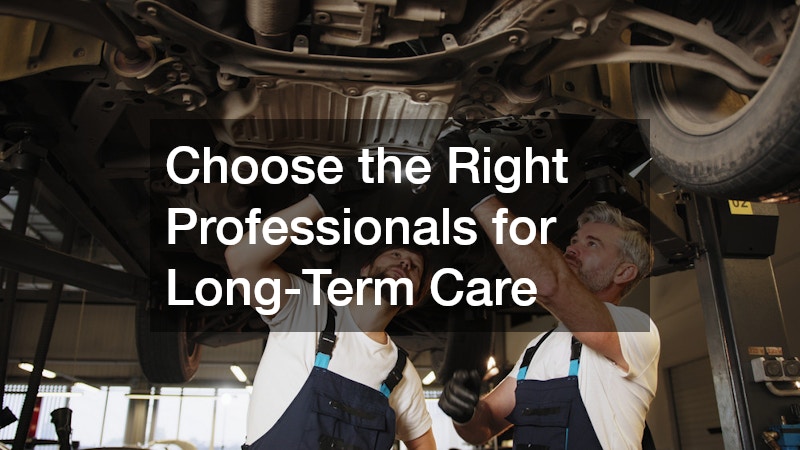
Even the most diligent car owner needs expert support. Choosing the right professionals can make a major difference in how well your vehicle is maintained.
Look for:
- Clear communication and transparency
- Detailed explanations of recommended work
- Consistent service quality
- Positive reviews and referrals
Building a long-term relationship with a trusted mechanic allows for better continuity. They become familiar with your vehicle’s history and can provide more accurate recommendations over time.
Questions to ask:
- What maintenance is coming up next?
- Are there any early signs of wear?
- What can be safely delayed, and what can’t?
A trusted expert can provide valuable insights, helping you understand the various services your vehicle might require. Regular maintenance not only extends your car’s life but can also enhance its performance and safety. When you have someone knowledgeable at your side, you’re more likely to catch potential issues before they escalate into costly repairs. Additionally, a reliable professional can offer guidance on the best products and practices for keeping your vehicle in top shape. Ultimately, investing in a good relationship with a professional can save you time and money in the long run.
Consistent Care: Key Habits for Maintaining Your Car’s Performance
Regular maintenance tasks, such as oil changes, tire rotations, and brake inspections, are essential to keeping your car in optimal condition. It’s also important to familiarize yourself with your car’s manual to understand its specific needs and any recommended service intervals. Keeping an eye on fluid levels and tire pressure can prevent minor issues from becoming major headaches. Engaging with a trusted mechanic can provide you with invaluable insights and help you create a tailored maintenance plan. Ultimately, treating your vehicle with care and respect will not only enhance its longevity but also contribute to a safer driving experience.