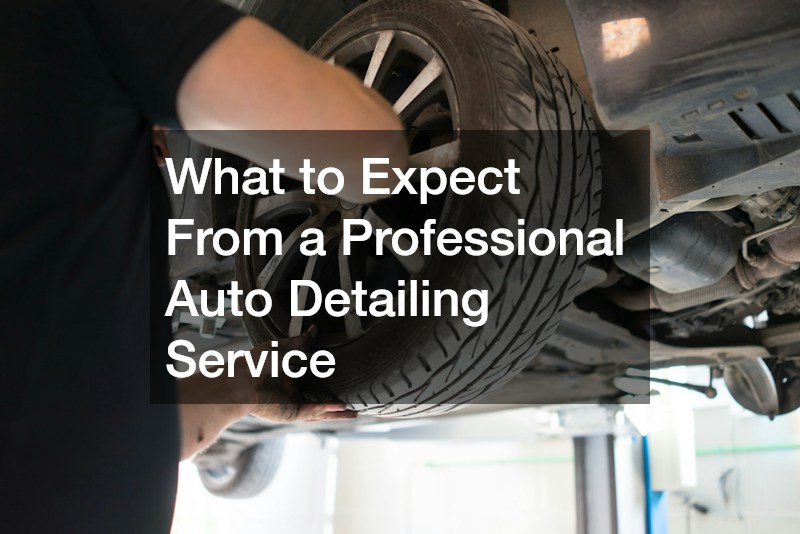
Most drivers rely on their vehicles every day without thinking much about the condition of their tires. Tires are often overlooked until a flat, uneven wear pattern, or loss of traction becomes impossible to ignore. However, tire performance affects nearly every part of the driving experience, including braking, fuel efficiency, handling, and overall safety.
Visiting a professional tire shop helps drivers maintain proper tire condition while ensuring their vehicles remain safe and reliable on the road. Regular inspections and proper tire care can also help extend the lifespan of tires and improve long-term vehicle performance.
Tires Affect Vehicle Safety Every Day
Tires are the only part of a vehicle that remains in direct contact with the road surface. Because of this, their condition has a major influence on traction and control during driving.
Worn tread can reduce a vehicle’s ability to grip the road, especially during rain, snow, or icy conditions. Reduced traction may increase stopping distance and make steering less predictable in emergency situations.
Even small issues such as low tire pressure or uneven wear can affect vehicle stability. Drivers may notice pulling while steering, vibration at higher speeds, or reduced responsiveness during turns.
A professional tire shop can inspect tread depth, tire pressure, and overall tire condition to identify problems before they become more serious safety concerns.
Tire Wear Happens Gradually
Many drivers do not notice tire wear because it develops slowly over time. Daily commuting, road conditions, temperature changes, and driving habits all contribute to gradual wear on the tire surface.
Improper wheel alignment can cause tires to wear unevenly, shortening their lifespan and affecting vehicle handling. Underinflated or overinflated tires may also wear unevenly while reducing fuel efficiency.
Routine tire inspections help identify these patterns early. A tire shop may recommend tire rotation, balancing, or alignment adjustments to promote more even wear across all four tires.
Regular maintenance not only helps tires last longer but also supports smoother and more predictable driving performance.
Seasonal Conditions Influence Tire Performance
Weather conditions play a major role in how tires perform throughout the year. Hot pavement during summer can increase wear, while cold temperatures may affect tire pressure and traction.
In regions that experience snow or icy roads, seasonal tire changes are often important for maintaining control and stability. Winter tires are designed with different tread patterns and rubber compounds that improve traction in colder conditions.
A tire shop can help drivers select tires that match both their vehicle type and local climate conditions. Choosing the correct tire for seasonal driving helps improve safety and overall road performance.
Proper Installation Matters
Purchasing new tires is only part of the process. Proper installation is equally important for maintaining vehicle safety and performance.
Incorrect installation may lead to uneven wear, vibration, poor handling, or additional strain on suspension components. Balancing and alignment adjustments are often necessary after new tires are installed to ensure even contact with the road.
Professional technicians at a tire shop use specialized equipment to mount, balance, and inspect tires correctly. Proper installation helps maximize tire lifespan while improving overall driving comfort.
Tire Pressure Impacts More Than Fuel Efficiency
Many drivers associate tire pressure only with fuel economy, but pressure levels also affect braking, steering, and tire wear. Tires that are underinflated may generate excess heat and wear out more quickly. Overinflated tires can reduce traction and create a harsher driving experience.
Temperature fluctuations can also cause pressure changes throughout the year. Tire pressure often drops during colder weather, which is why regular checks are important during seasonal transitions.
A tire shop can check tire pressure accurately and ensure all tires meet manufacturer recommendations. Maintaining proper inflation helps improve safety, extend tire life, and support more consistent vehicle handling.
Road Hazards Can Cause Hidden Damage
Potholes, curbs, construction debris, and rough road conditions can all damage tires without causing immediate failure. Impacts may weaken internal tire structure, create sidewall bulges, or affect wheel alignment.
In some cases, damage may not become noticeable until weeks later when vibration, uneven wear, or air loss develops.
Routine inspections at a tire shop can help identify hidden damage early. Detecting these issues before a blowout or sudden failure occurs helps reduce the risk of roadside emergencies.
Professional Guidance Helps Drivers Make Better Decisions
Tires come in many different sizes, tread patterns, and performance categories. Choosing the right option depends on driving habits, climate conditions, vehicle type, and budget.
Some drivers prioritize fuel efficiency, while others focus on durability, comfort, or all-weather traction. Understanding these differences can feel overwhelming without professional guidance.
A trusted tire shop helps drivers compare options and select tires that fit both their driving needs and long-term vehicle goals. Recommendations based on real driving conditions often lead to better overall performance and value.
Supporting Safer and More Reliable Driving
Tires influence nearly every aspect of vehicle performance, from safety and handling to comfort and efficiency. Because wear develops gradually, regular inspections and maintenance are essential for preventing larger problems on the road.
A professional tire shop provides the expertise and services needed to keep tires in good condition throughout their lifespan. With proper care, drivers can improve vehicle performance, reduce unnecessary wear, and feel more confident during everyday travel in changing road conditions.