Reaching 200,000 miles on an odometer was once viewed as an extraordinary anomaly—a milestone reserved for lucky commuter cars or hyper-diligent enthusiasts who practically lived inside their garages. In the modern era of automotive engineering, however, hitting two hundred thousand miles or more is no longer a matter of chance. It is the predictable result of deliberate, strategic vehicle ownership. Modern metallurgy, synthetic lubricants, and advanced fuel injection systems have given contemporary vehicles unprecedented durability, yet millions of cars still meet an early demise due to deferred maintenance and improper care.
The financial incentive to keep your current vehicle running safely and reliably past the two-hundred-thousand-mile threshold is overwhelming. Avoiding a modern monthly car payment, along with the associated spikes in insurance premiums and property taxes, can easily save a household between five thousand and ten thousand dollars every single year. Shifting your mindset from reactive repair—fixing things only after they break—to proactive preservation allows you to unlock this massive financial advantage. By understanding the mechanical systems that keep your vehicle moving and taking systematic steps to protect its structural and mechanical integrity, you can comfortably transform your everyday commuter into a long-haul survivor.
1. Establishing a Proactive Fluid and Filter Maintenance Strategy
Fluids are the lifeblood of your vehicle. Every mechanical system within the engine and drivetrain relies on specific fluid formulations to minimize metal-on-metal friction, dissipate extreme thermal energy, and carry away microscopic wear particles.
Optimizing Engine Oil Protocols
While many vehicle manufacturers advertise extended oil change intervals of ten thousand miles or more to lower their advertised cost of ownership, drivers seeking high-mileage longevity should adopt a more conservative approach:
-
Follow severe-service schedules: Most real-world driving—including stop-and-go traffic, short trips under ten miles, towing, and cold weather operation—falls under the manufacturer severe-service guidelines, which typically dictate changing oil every five thousand miles.
-
Opt for high-grade synthetic lubricants: Full synthetic oils provide superior thermal stability, resisting breakdown under high operating temperatures while offering faster lubrication to overhead camshafts during cold starts.
-
Monitor oil consumption weekly: As engines age, piston ring tension decreases and valve stem seals harden. Checking your dipstick every two fuel fill-ups ensures you never run the engine low on oil, which rapidly accelerates bearing wear.
Drivetrain Fluid Care
Engine oil gets the majority of attention, but neglecting gear oils and hydraulic fluids is a primary cause of premature transmission and differential failures. Modern automatic transmissions generate immense internal heat that breaks down fluid friction modifiers over time.
Routinely scheduled auto repair services provide the opportunity to drain and refill transmission fluid, transfer case oil, and differential lubricants every thirty thousand to forty thousand miles. Avoiding aggressive high-pressure chemical flushes on high-mileage transmissions prevents dislodging varnish that could clog delicate valve bodies. Partnering with certified mechanics who understand the specific fluid viscosity ratings required by your vehicle’s manufacturer ensures your entire driveline remains properly lubricated throughout its service life.
2. Drivetrain Protection and Thermal Management
Heat is the ultimate enemy of internal combustion components. An overheating event can warp aluminum cylinder heads, blow head gaskets, and score cylinder walls in a matter of minutes.
Servicing the Cooling System
A vehicle’s cooling system operates under intense thermal pressure and chemical degradation. To prevent catastrophic engine overheating as your vehicle ages:
-
Flush engine coolant on schedule: Ethylene glycol coolant contains anti-corrosion additives that deplete over time. Replace coolant every three to five years to prevent internal scale accumulation inside radiator passages.
-
Replace high-risk plastic components: Modern cooling systems rely heavily on plastic thermostat housings, quick-connect fittings, and radiator end tanks. Replace these components preemptively every hundred thousand miles before thermal cycling causes them to crack open unexpectedly.
-
Inspect drive belts and tensioners: The serpentine belt drives the water pump. Inspect belts regularly for micro-cracking, rib glazing, or belt edge fraying, and replace automatic tensioners before they lose spring force.
Monitoring Engine Breather Systems
Positive Crankcase Ventilation (PCV) systems pull volatile blow-by gases out of the crankcase and reintroduce them into the combustion chamber. Over time, PCV valves clog with oil sludge and carbon deposits. A stuck-closed PCV valve builds internal crankcase pressure, forcing oil past delicate crankshaft seals and valve cover gaskets. Replacing the PCV valve every thirty thousand miles costs very little but saves hundreds of dollars in oil leak repairs down the road.
3. Preserving Structural Integrity and Fighting Corrosion
A car can remain mechanically pristine, but if its structural unibody or frame rails succumb to rust, the vehicle becomes unsafe to operate. Corrosion prevention is a non-negotiable requirement for reaching high mileage, particularly in northern climates or coastal environments.
Underbody Wash Protocols and Protective Coatings
Road salt, magnesium chloride, and trapped debris gather in the hidden pockets of undercarriage crossmembers, rocker panels, and wheel wells:
-
Perform high-pressure undercarriage washes: Flush the underside of your vehicle regularly during winter months, taking care to spray inside wheel arches and subframe drain holes.
-
Apply wool-wax or oil-based rust inhibitors: Avoid rubberized undercoatings on older vehicles, as they can crack and trap moisture directly against raw steel. Use creeping, oil-based barrier films that penetrate seams and displace moisture.
-
Clear body drain channels: Ensure sunroof drains, door bottom weep holes, and cowl drains remain clear of leaves and organic debris so trapped water doesn’t rust panels from the inside out.
Managing Body Panels and Paint
Once moisture penetrates the clear coat and base paint layer, oxidation begins attacking the underlying sheet metal. Utilizing a specialized auto body repair service to address minor rock chips, bubbling wheel arches, or surface scratches prevents minor cosmetic blemishes from evolving into structural panel rot.
If you drive an imported vehicle, sourcing specialized corrosion repair from a facility experienced in foreign auto repair ensures that galvanic corrosion issues—often caused by interactions between dissimilar aluminum and steel alloys used in European and Asian chassis—are treated with appropriate repair methods and fasteners.
4. Suspension, Steering, and Undercarriage Overhauls
A sagging, loose suspension system doesn’t just make a vehicle uncomfortable to drive; it increases stopping distances, accelerates uneven tire wear, and places excessive mechanical stress on constant velocity joints and wheel bearings.
Refreshing Rubber Bushings and Dampers
Factory rubber suspension bushings dry out, crack, and lose their dampening abilities as time passes. Overhauling key chassis components every eighty thousand to one hundred thousand miles restores factory handling:
-
Replace struts and shock absorbers: Leaking or worn dampers allow the tires to bounce excessively, reducing contact with the road surface and increasing braking distances by up to twenty percent.
-
Inspect ball joints and tie rod ends: Excessive play in ball joints or tie rod ends compromises steering control and can cause wheel detachment if a joint separates under load.
-
Replace sway bar end links: Worn end links cause clunking noises over bumps and increase body roll during high-speed cornering maneuvers.
Tire Preservation and Wheel Alignments
Tires are expensive wear items that directly influence braking performance, fuel economy, and suspension stress. Rotate tires every five thousand to seven thousand miles to equalize tread wear across driven and non-driven axles. Furthermore, schedule an annual four-wheel alignment to ensure camber, caster, and toe settings match factory specifications, protecting your investment in fresh rubber.
5. Brake System Maintenance and Annual Safety Inspections
The ability to stop predictably in an emergency is the single most critical safety requirement of any road-going vehicle. Hydraulic brake components operate in a harsh environment exposed to extreme friction heat, road grit, and moisture.
Hydraulic Fluid and Mechanical Component Upgrades
Brake systems rely on clean hydraulic fluid to transmit pedal force to the brake calipers. Over time, glycol-based brake fluid absorbs moisture directly through microscopic pores in rubber brake hoses:
-
Flush brake fluid biennially: Moisture-laden brake fluid lowers the boiling point of the hydraulic system, causing brake pedal fade during heavy downhill braking. Internal water also corrodes delicate anti-lock braking system (ABS) hydraulic valves.
-
Service caliper slider pins: Remove, clean, and lubricate caliper slider pins during routine brake services to prevent brake pads from dragging against rotors.
-
Replace hardware clips: Always install fresh stainless steel abutment clips when installing new pads to ensure smooth pad movement and eliminate squealing.
Addressing necessary brake repairs at the first sign of vibration, pedal pulsation, or squealing prevents damaged rotors from overloading wheel bearings. Furthermore, passing your mandatory state inspection service shouldn’t be viewed merely as a bureaucratic requirement; use it as a valuable, objective second opinion by professional technicians to catch hidden steering, lighting, or braking deficiencies before they compromise your safety.
6. Electrical System Stability and Sensor Management
Modern vehicles are complex networks of digital microcontrollers and electronic sensors. An engine cannot run efficiently past two hundred thousand miles if its electronic control units receive inaccurate data from degraded sensors.
Battery and Charging System Health
A weak battery or failing alternator places severe electrical stress on sensitive control modules:
-
Clean battery terminals routinely: Remove white lead-sulfate corrosion from battery posts using a wire brush and baking soda solution, then coat terminals with dielectric grease.
-
Test alternator ripple voltage: Excessive AC voltage leaking past a failing alternator rectifier diode can scramble computer communications and trigger intermittent dashboard warning lights.
-
Upgrade ground straps: Factory engine ground straps oxidize over time, creating high electrical resistance. Adding fresh copper ground straps ensures stable voltage references across all engine sensors.
Proactive Sensor Replacement
Certain engine sensors degrade gradually without immediately illuminating a check engine light. Replacing key engine sensors preemptively between one hundred thousand and one hundred fifty thousand miles maintains peak engine efficiency:
-
Oxygen (O2) Sensors: Upstream oxygen sensors slow their response time as they age, leading to overly rich fuel mixtures that waste gas and overheat catalytic converters.
-
Mass Air Flow (MAF) Sensors: Clean the internal sensing wire gently using specialized MAF spray cleaner to remove accumulated dust and oil film.
-
Crankshaft and Camshaft Position Sensors: These sensors operate under high engine heat and often fail without warning, causing immediate engine stall conditions. Replacing them proactively prevents unexpected roadside breakdowns.
7. Cost-Effective Replacement Part Sourcing
Keeping a high-mileage vehicle on the road requires balancing repair quality against overall vehicle value. Knowing when to buy original equipment components versus alternative options is key to maintaining a low cost per mile.
Choosing Between OEM and Aftermarket Components
Not all replacement parts are created equal. Matching the right part category to the specific repair protects both your wallet and your safety:
-
Original Equipment Manufacturer (OEM): Use genuine OEM parts for critical electronic sensors, engine gaskets, internal engine components, and specialized transmission seals where precise factory tolerances are non-negotiable.
-
Premium Aftermarket: High-quality aftermarket brands often manufacture improved versions of factory chassis parts, heavy-duty sway bar links, coated brake rotors, and high-flow air filters at a lower price point.
-
Standard Economy: Avoid cheap, unbranded white-box components for critical safety systems, as poor quality control leads to premature failure and repeated labor costs.
Utilizing Recycled and Surplus Components
When searching for mechanical and cosmetic items, browsing local inventory for auto parts for sale allows you to source high-cost mechanical items—such as alternators, starter motors, or climate control modules—at a fraction of retail prices.
For hard-to-find trim pieces, discontinued interior switches, door handles, or unblemished body panels, sourcing salvaged components directly through a local junk yard provides an economical way to keep an older car looking intact without spending thousands on factory warehouse stock.
8. Cabin Preservation and Interior Restoration
A car that feels broken-down on the inside quickly becomes unappealing to drive, tempting owners into buying a new vehicle long before the mechanical driveline actually wears out. Preserving the interior environment keeps high-mileage ownership enjoyable.
Protecting Seating and Touchpoints
Interior materials succumb to ultraviolet radiation, friction, and skin oils. Implementing basic care habits extends interior life indefinitely:
-
Apply UV-blocking protectants: Treat vinyl dashboard surfaces and door panels with non-greasy UV inhibitors to prevent sun-induced cracking and color fading.
-
Condition leather upholstery: Clean and condition leather seats twice a year to maintain flexibility and prevent seam tearing.
-
Use custom windshield sunshades: Blocking sunlight while parked outdoors drops internal cabin temperatures significantly, protecting delicate electronics and glue-bonded headliners.
Restoring Air Quality and Climate Controls
An aged interior often suffers from musty odors caused by mold growth inside the HVAC evaporator box. Replace the cabin air filter every fifteen thousand miles to keep airflow high and restrict dust accumulation. Spraying evaporator cleaner into the HVAC intake vents neutralizes mold spores, keeping the cabin fresh and comfortable.
9. Evaluating High-Mileage Valuations and Emergency Protocols
Driving a car with two hundred thousand miles requires realistic contingency planning and a clear understanding of financial trade-offs.
Navigating Repair Costs Versus Vehicle Value
Traditional financial advice suggests that when a single repair bill exceeds the nominal market value of a high-mileage vehicle, the car should be scrapped. However, in a market where replacing your vehicle requires taking on a multi-year loan for used cars, spending fifteen hundred dollars on an engine repair to gain two or three more years of payment-free driving remains a highly rational choice. Evaluate repairs based on annual cost-of-ownership rather than raw resale value.
Preparing an Emergency Roadside Kit
Even the most meticulously maintained vehicle can experience a flat tire, dead battery, or blown hose. Carrying an emergency trunk kit ensures minor mishaps don’t turn into major inconveniences:
-
Essential Fluids: Carry one quart of matching engine oil, a jug of pre-mixed coolant, and a bottle of brake fluid.
-
Diagnostic Tools: Keep a basic OBD-II code reader, a digital tire pressure gauge, and a heavy-duty LED flashlight in your glove compartment.
-
Emergency Hardware: Pack a portable lithium-ion jump-starter pack, a 12-volt tire inflator, basic hand tools, and heavy-duty tow straps.
If an engine temperature warning light illuminates or oil pressure drops suddenly, pull over immediately to a safe location and turn off the ignition. Relying on professional towing rather than attempting to limp a hot or unlubricated engine to the next highway exit will save your engine block from total catastrophic destruction.
10. Building a Personalized 200,000-Mile Logbook and Execution Plan
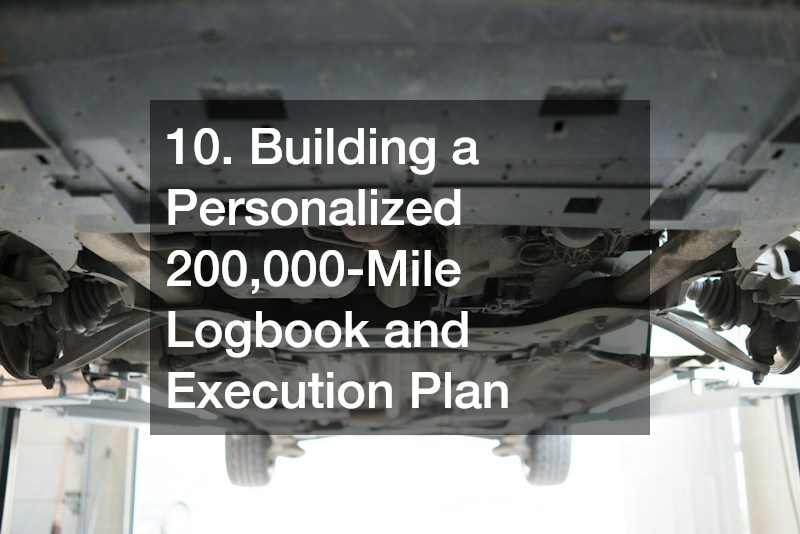
Organized record-keeping transforms random maintenance into a structured, predictable routine. Maintaining a physical or digital logbook allows you to track component life cycles and spot recurring issues before they cause breakdowns.
Tracking Maintenance Intervals
Create a simple logbook in your glovebox or maintain a spreadsheet tracking the following vital operational milestones:
-
Date and Mileage of Service: Record every oil change, fluid flush, and spark plug replacement.
-
Part Brands and Numbers: Document specific oil filter part numbers, spark plug gap specifications, and bulb types for fast future reference.
-
Upcoming Inspection Targets: Note components that will require attention over the next ten thousand miles, such as front brake pads nearing minimum thickness or aging drive belts.
Establishing Your Weekend Inspection Routine
Set aside fifteen minutes once a month to perform a comprehensive static inspection of your vehicle:
-
Check all fluid levels: Inspect engine oil, coolant reservoir, brake fluid, power steering fluid, and windshield washer fluid.
-
Inspect tire pressure and tread depth: Adjust tire pressures to the specifications listed on the driver’s door jamb sticker, including the spare tire.
-
Test all exterior lighting: Check headlights, high beams, brake lights, turn signals, and reverse lights to ensure clear visibility and road legality.
By combining structured record-keeping with proactive component care, you eliminate the guesswork of high-mileage vehicle ownership. Driving a car past 200,000 miles is not a matter of luck—it is the rewarding result of deliberate care, smart maintenance choices, and a commitment to preserving the machine that carries you every day.