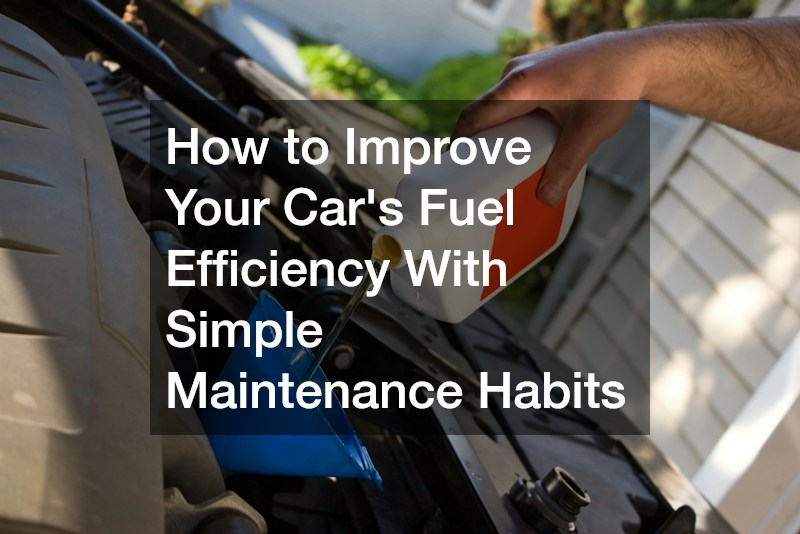
Watching your fuel gauge drop faster than expected is frustrating, especially when your daily commute and weekly errands have not changed. Many drivers assume that getting better mileage requires trading in their current vehicle for a newer hybrid or buying expensive aftermarket fuel-saving gadgets. In reality, your car was engineered to deliver specific fuel economy numbers right from the factory, and gradual drops in mileage almost always point to minor, preventable maintenance issues.
Squeezing extra miles out of every gallon comes down to reducing friction, ensuring clean combustion, and keeping air flowing smoothly around your vehicle. When tires are properly inflated, fluids are fresh, sensors are accurate, and exterior panels sit flush, your engine does not have to work overtime just to maintain highway speed. Building a few simple maintenance habits into your routine will restore lost fuel economy, lower your weekly gas bills, and protect your vehicle from costly mechanical breakdowns down the road.
Eliminate Rolling Resistance Through Tire, Alignment, and Braking Care
Every mile your car travels requires overcoming rolling resistance between your tires and the pavement. Even small increases in friction at the wheels force your engine to burn extra fuel just to keep the vehicle moving at a steady pace. Paying close attention to how your tires contact the road and how freely your wheels spin is one of the fastest ways to recover lost mileage.
Check Tire Inflation Monthly and Rotate on Schedule
Tires naturally lose air pressure over time due to temperature swings and microscopic permeation through the rubber. When a tire is underinflated by just a few pounds per square inch, its sidewalls flex excessively and flatten against the road surface. That wider contact patch generates heat and creates drag that makes your engine work harder from the moment you pull out of the driveway.
-
Measure Cold Tire Pressure: Check all four tires and the spare once a month using a reliable digital gauge before driving, when the tires are still cold. Inflate them to the exact pressure printed on the sticker inside your driver-side door jamb rather than the maximum number molded onto the tire sidewall.
-
Rotate Tires Every 5,000 to 7,500 Miles: Regular rotations keep tread depth wearing evenly from front to back, preserving predictable traction and consistent rolling resistance across all four corners.
-
Schedule Wheel Alignments After Pothole Impacts: Hitting a deep pothole or curb can knock toe and camber angles out of specification. Misaligned wheels scrub sideways slightly as they roll forward, wasting fuel and chewing through expensive tire rubber prematurely.
Prevent Dragging Calipers and Worn Pads From Stealing Momentum
Most drivers think about their brakes only when slowing down, yet a malfunctioning brake assembly can quietly rob fuel economy even while your foot is off the pedal. Over time, road grit, moisture, and rust can cause brake caliper slide pins to seize or caliper pistons to stick, holding the brake pads lightly pressed against the spinning rotor.
-
Watch for Subtle Signs of Brake Drag: Notice whether your car coasts smoothly when you lift off the accelerator on a flat road, or if it feels like something is holding it back. A wheel that feels noticeably hotter than the others after a short drive or emits a faint burning odor is a strong clue that a caliper is sticking.
-
Inspect Hardware During Routine Visits: Having a technician clean and lubricate caliper slide pins, check flexible brake hoses for internal collapse, and perform timely brake repair during a regular auto repair service appointment eliminates hidden wheel friction and keeps your vehicle rolling effortlessly.
Keep Your Engine Breathing Cleanly and Firing Efficiently
Internal combustion engines operate like precision air pumps that mix exact amounts of oxygen and atomized fuel before igniting the mixture inside each cylinder. Whenever airflow is restricted, fuel spray is disrupted, or ignition components weaken, combustion becomes incomplete. Your engine compensates by burning more fuel to produce the same amount of horsepower, causing your gas mileage to dip steadily.
Replace Dirty Air Filters and Foul Spark Plugs Before Performance Drops
Your engine pulls thousands of gallons of outside air through the intake system for every gallon of fuel it burns. The engine air filter traps dust, pollen, leaves, and road debris before they can enter sensitive cylinders, which means the filter gradually clogs over thousands of miles of driving.
-
Inspect the Engine Air Filter at Every Oil Change: Hold the filter element up to a bright light. If light cannot pass clearly through the pleated media, or if the pleats are packed with dark grime, swap in a fresh filter immediately to restore crisp throttle response and clean airflow.
-
Follow Factory Spark Plug Replacement Intervals: Worn spark plugs require higher voltage to fire and produce weaker sparks, leading to subtle misfires that send unburned fuel straight out the exhaust pipe. Replacing plugs on schedule ensures complete combustion on every cylinder stroke.
-
Clean Fuel Injectors and Mass Airflow Sensors: Over time, carbon deposits build up on injector tips and dust coats the delicate wires inside the mass airflow sensor. Including fuel system cleaning and sensor inspections as part of your routine automotive services keeps air-to-fuel ratios dialed in for peak efficiency.
Source Budget-Friendly Replacement Components Without Sacrificing Fit
Small engine management components play an oversized role in daily fuel consumption. A failing oxygen sensor that sends sluggish readings to the engine computer can cause the fuel system to run overly rich, dumping up to 20 percent more fuel than needed. Similarly, a thermostat stuck in the open position prevents the engine from reaching its ideal operating temperature, keeping it locked in a fuel-heavy warm-up cycle throughout your entire commute.
-
Fix Check Engine Lights Promptly: Even if the car still seems to drive normally, a dashboard warning light often signals an emissions or sensor fault that directly reduces gas mileage.
-
Choose Quality OEM Replacements Affordably: When cracked air intake housings, damaged sensor brackets, or faulty electronic modules need replacement on an older vehicle, sourcing tested factory used car parts allows drivers to restore exact manufacturer fit and efficiency without paying steep dealership prices.
Protect Drivetrain Smoothness With Transmission and Fluid Maintenance
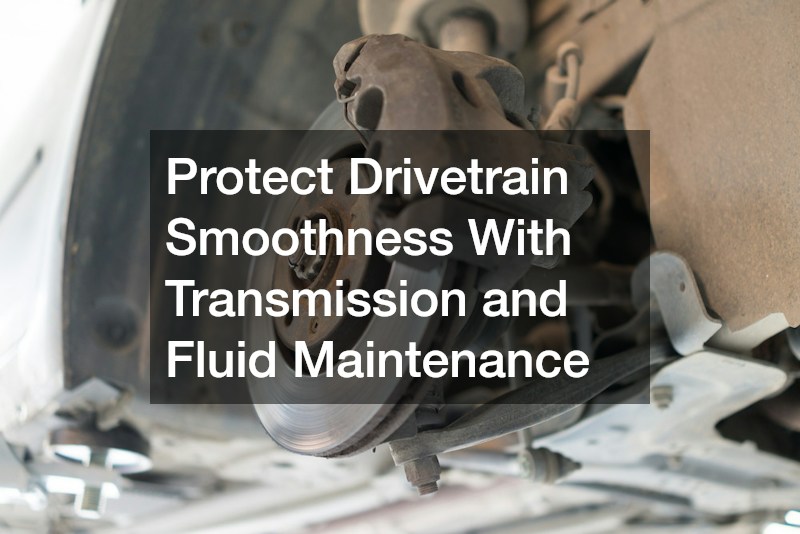
Once your engine generates power, that energy must travel smoothly through the transmission, driveshafts, and differentials before reaching the pavement. Fresh, properly formulated lubricants minimize metal-to-metal friction and keep heat under control throughout the entire drivetrain. Neglecting fluid intervals allows lubricants to thicken, break down, and create internal resistance that wastes fuel on every trip.
Follow Factory Oil Viscosity and Fluid Exchange Intervals
Modern engines are built with tight internal tolerances designed around specific oil thicknesses, such as 0W-20 or 5W-30. Pouring heavier oil into a modern engine than the owner’s manual specifies creates unnecessary pumping resistance and internal drag, forcing the engine to burn extra fuel just to circulate lubrication.
-
Use Exact Manufacturer Viscosity Grades: Always check your owner’s manual or oil filler cap before topping off or changing motor oil, and choose full-synthetic formulas that flow easily during cold morning starts while resisting heat breakdown in summer traffic.
-
Service Differential and Transfer Case Fluids: On all-wheel-drive and rear-wheel-drive vehicles, fresh gear oil reduces friction inside axles and transfer cases, especially during highway cruising.
-
Maintain Cooling System Health: Fresh coolant keeps engine temperatures stable in extreme weather, allowing the engine computer to maintain lean, efficient fuel trim settings.
Address Delayed Shifts and Slipping Gears Early
Your transmission is responsible for keeping the engine running in its most efficient RPM range at every vehicle speed. When automatic transmission fluid degrades from heat and age, it loses hydraulic pressure and lubrication quality, causing sluggish gear changes, delayed lockup of the torque converter, or brief flares in engine speed between shifts.
-
Pay Attention to Highway RPMs: If your tachometer reads higher than usual at 65 miles per hour, the transmission may be failing to engage its top overdrive gear or torque converter clutch, which dramatically increases highway fuel consumption.
-
Service Fluid and Solenoids Before Major Wear Occurs: Scheduling fluid exchanges, filter replacements, and prompt auto transmission repairs whenever you notice hard shifts, hesitation, or fluid leaks restores crisp gear engagement and keeps highway cruising effortless.
Restore Exterior Aerodynamics After Dents, Loose Panels, and Glass Damage
At city speeds below 35 miles per hour, rolling resistance and vehicle weight consume most of your fuel. Once you merge onto the highway, however, aerodynamic wind drag becomes the single biggest force working against your engine. Automakers spend millions of dollars shaping body panels, underbody shields, and windshield angles so air glides cleanly over the vehicle, and minor exterior damage can easily disrupt that smooth airflow.
Reattach Loose Underbody Shields, Bumpers, and Trim Pieces
Look underneath the front bumper of almost any modern car and you will see molded plastic splash guards, air dams, and wheel-well liners. These panels are not merely cosmetic; they prevent turbulent air from getting trapped underneath the chassis and catching on suspension arms and exhaust pipes like a parachute.
-
Check Beneath the Car After Oil Changes or Curb Scrapes: Missing plastic push-pins or torn fasteners often allow underbody shields to hang down into the wind stream, creating noisy vibration and substantial highway drag.
-
Repair Damaged Bumpers and Loose Fender Liners: Cracked bumper covers, dented quarter panels, and misaligned doors create turbulent air pockets along the sides of the vehicle. Addressing exterior damage through timely car body repair restores clean factory body lines so wind flows past with minimal resistance.
Fix Cracked Windshields and Failing Window Seals
Your windshield and side windows form a continuous aerodynamic canopy over the passenger cabin. When rubber weatherstripping shrinks, windshield perimeter moldings loosen, or side windows fail to seat tightly into their upper tracks, high-speed airflow catches on those edges and creates whistling turbulence.
-
Listen for New Wind Noise at Highway Speeds: A sudden whistle or rush of air around the A-pillar or door frame usually points to a torn seal or poorly seated glass panel that is disrupting airflow and letting conditioned cabin air escape.
-
Keep Glass Smooth and Properly Sealed: Addressing chips before they spread across your line of sight and relying on professional auto glass services to replace damaged windshields and worn perimeter seals preserves structural rigidity, keeps wind drag low, and reduces the load on your air conditioning and heating systems.
Address Structural Alignment and Corrosion Before They Hurt Efficiency
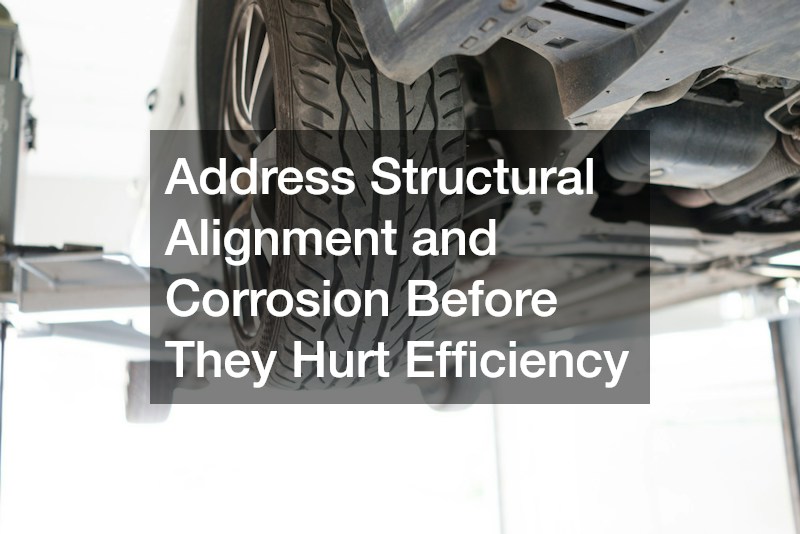
Beneath your car’s painted exterior panels sits a precision-engineered unibody structure or steel frame that holds every suspension and steering component in exact geometric alignment. Even minor impacts or years of exposure to winter road salt can subtly alter how your vehicle tracks down the road, creating hidden mechanical drag that wears down tires and drains your fuel tank.
Verify Frame Geometry and Wheel Track After Minor Fender Benders
A low-speed parking lot collision, sliding into a curb on icy pavement, or striking deep road construction hazards can bend suspension subframes or shift structural mounting points by fractions of an inch. Even after an alignment shop adjusts the tie rods, a shifted cradle can leave the rear wheels tracking slightly offset from the front wheels, a condition known as dog-tracking.
-
Watch for Uneven Tire Wear or Off-Center Steering: If your car pulls consistently to one side, requires constant steering wheel correction on straight highways, or wears down the inner edge of a single tire rapidly, underlying structural geometry may be out of true.
-
Measure Chassis Points With Precision Equipment: Having a qualified local auto body repair technician or certified auto collision center inspect subframe alignment and panel gaps after any minor impact ensures all four wheels roll along parallel tracks with zero sideways scrubbing.
Reduce Unnecessary Weight and Surface Corrosion With Smart Upkeep
Every extra pound your vehicle carries requires additional fuel to accelerate from a stoplight or climb a hill. At the same time, rust and surface corrosion on wheels and underbody hardware create rough, unbalanced surfaces that undermine smooth rotation and increase long-term maintenance headaches. Combining simple decluttering habits with protective surface care keeps your car light, clean, and efficient.
Clear Out Trunk Clutter and Remove Empty Roof Racks
Over months of busy routines, trunks and cargo areas quietly accumulate heavy bags of potting soil, sports gear, emergency toolboxes, and items meant to be dropped off weeks ago. Roof-mounted cargo boxes, kayak carriers, and empty crossbars create an even bigger penalty by catching massive amounts of wind at highway speeds.
-
Empty the Trunk Every Month: Take five minutes to remove heavy tools, extra fluids, and seasonal items you do not need for daily commuting. Shedding 100 pounds of unnecessary cargo noticeably improves stop-and-go city fuel economy.
-
Detach Roof Racks Between Trips: Even empty roof crossbars disrupt smooth airflow across the roofline and can cut highway fuel mileage by several percent. Remove racks and cargo carriers whenever you are not actively using them.
Protect Wheels and Undercarriage Parts From Rust and Pitting
In regions that experience wet winters or salted roads, alloy and steel wheels endure constant bombardment from moisture, brake dust, and corrosive de-icing chemicals. Over time, corrosion pits the inner rim bead where the tire seals against the metal, causing frustrating slow air leaks that leave tires chronically underinflated. Rust buildup on wheel hubs and suspension brackets also adds rough, uneven rotating mass.
-
Wash Wheel Barrels and Undercarriage Regularly: Rinsing away road salt and baked-on brake dust during regular car washes prevents corrosive pitting along tire beads and brake calipers.
-
Restore Corroded Rims With Durable Finishes: Refinishing oxidized wheels and exposed suspension brackets through an automotive powder coating service seals bare metal beneath a smooth, chip-resistant barrier that prevents bead leaks, simplifies cleaning, and keeps wheels balanced for years.
Build a Simple Monthly and Seasonal Fuel-Saving Routine

Knowing what affects fuel economy only pays off when you turn those checks into an effortless routine. You do not need mechanical training or a garage full of tools to stay ahead of efficiency-robbing wear. Pairing a quick monthly walkaround with mindful driving habits locks in maximum mileage all year long.
Follow a Quick Five-Minute Walkaround Check Before Long Trips
Setting a recurring reminder on the first Saturday of every month keeps small issues from snowballing into expensive repairs or wasted tanks of fuel.
-
Check Cold Tire Pressures: Verify all four tires match the door-jamb specification and inspect sidewalls for bulges, nails, or uneven tread wear.
-
Scan Under the Hood and Beneath the Bumper: Confirm engine oil and coolant levels sit between the full marks, check that the air filter housing clips are secure, and glance underneath the front bumper to ensure splash shields are firmly attached.
-
Inspect Exterior Lights and Wiper Blades: Clean lenses and clear glass improve visibility and safety while reminding you to check windshield seals for cracks or lifting trim.
Pair Mechanical Upkeep With Smooth Acceleration and Coasting Habits
Even the best-maintained vehicle burns excess fuel if driven aggressively. Smooth inputs behind the wheel let your freshly serviced engine, transmission, and tires operate in their peak efficiency zone.
-
Accelerate Gently and Maintain Steady Speeds: Ease onto the throttle from stops rather than flooring the pedal, and use cruise control on flat highways to prevent unnecessary speed fluctuations.
-
Look Ahead and Coast Early: Anticipating red lights and slowing traffic allows you to lift off the gas early and coast smoothly, saving both fuel and brake pad wear.
-
Avoid Extended Idling: Modern fuel-injected engines warm up fastest when driven gently within 30 seconds of starting, whereas sitting parked in the driveway burns fuel while delivering zero miles per gallon.
Turning Small Habits Into Lasting Savings at the Pump
Improving your car’s fuel efficiency does not require complicated modifications or expensive upgrades. By keeping tires inflated and aligned, maintaining clean filters and fresh drivetrain fluids, fixing exterior aerodynamic damage promptly, and clearing away dead weight, you allow your vehicle to perform exactly as its engineers intended. Start with one or two simple checks this week—such as verifying your tire pressure and emptying your trunk—and enjoy lower fuel bills, smoother drives, and greater reliability on every mile ahead.