The moments immediately following a car crash are often a blur of adrenaline, confusion, and stress. Once the dust settles and everyone is safe, a new reality sets in: dealing with the aftermath. Navigating vehicle damage, medical concerns, insurance companies, and potential financial strain requires a clear roadmap. Property damage can range from minor surface scrapes to severe mechanical issues, and the hidden damage is often what catches drivers off guard.
Understanding what to prioritize can save you thousands of dollars, protect your health, and ensure your vehicle is truly safe to return to the road. This comprehensive guide breaks down exactly what you need to look for, fix, and maintain after an accident, helping you return your life and your vehicle to normalcy.
Immediate Post-Accident Vehicle Assessment
Identifying Fluid Leaks and Environmental Hazards
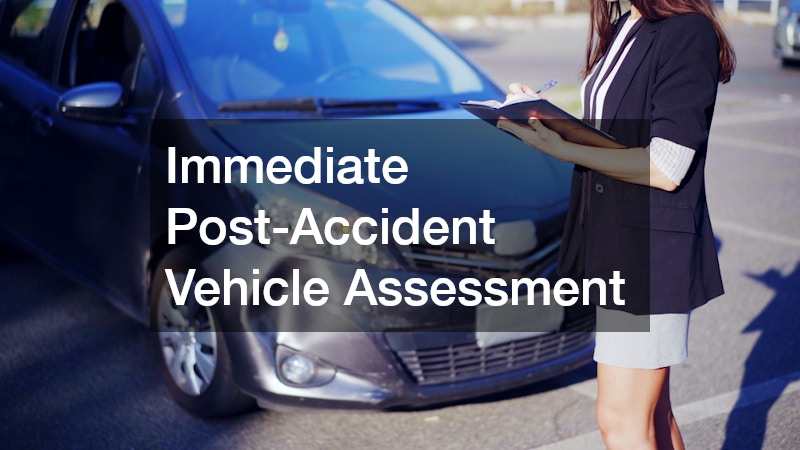
Before you even attempt to move your vehicle after a collision, look underneath the engine bay and chassis. Fluid leaks are incredibly common after an impact, and driving a car that is losing vital fluids can destroy the powertrain within minutes. Look for bright green or pink puddles, which indicate engine coolant, or dark, amber fluids that signal engine oil or brake fluid. If you see a slick, rainbow sheen on the asphalt, you are likely dealing with a fuel leak, which poses an immediate fire hazard. In any of these scenarios, do not start the vehicle. Have it towed directly to a professional facility rather than risking catastrophic engine failure or a roadside fire.
Inspecting the Integrity of Tires and Rims
The impact of a collision can easily compromise your wheels, even if you did not hit another car directly. Sidewall bubbling, bent wheel rims, or a sudden loss of tire pressure are all clear indicators that your vehicle is unsafe to drive and in need of auto repair. A minor alignment shift can cause uneven tire wear over the next few weeks, but a fractured rim or a torn sidewall can lead to a dangerous blowout at highway speeds. Inspect the valve stems and look closely for any hairline cracks in aluminum alloy wheels, which are prone to shattering under high stress.
Restoring Structural Integrity and Appearance
Assessing Crumple Zones and Frame Realignment
Modern vehicles are engineered with crumple zones designed to absorb the kinetic energy of a crash, protecting the cabin and its occupants. While these zones save lives, they mean that even a moderate impact can warp the underlying frame of your vehicle. A bent frame compromises the structural safety of the car, making it vastly more vulnerable in a future accident. Specialized technicians must use computer-controlled measuring systems to pull and restore the chassis back to its original factory specifications. Skipping this step means your doors might not close properly, your windows may jam, and your vehicle’s safety cage will remain permanently weakened.
Fixing Exterior Panels and Restoring Paint Layers
Once the underlying structure is verified as safe, attention shifts to the aesthetic and protective outer shell of the vehicle. Dents, torn bumpers, and deep scratches are more than just eyesores; they expose raw metal to moisture, which quickly leads to rust and structural decay. Professional collision repair involves matching the factory paint precisely using computerized color-matching technology and applying multiple coats of clear coat to protect the repair from UV damage and weather elements. Replacing cracked fiberglass bumpers and realigning misaligned panels also ensures that your vehicle retains its aerodynamic efficiency and resale value.
Addressing Mechanical and Electrical Systems
Verifying Engine Performance and Cooling Systems
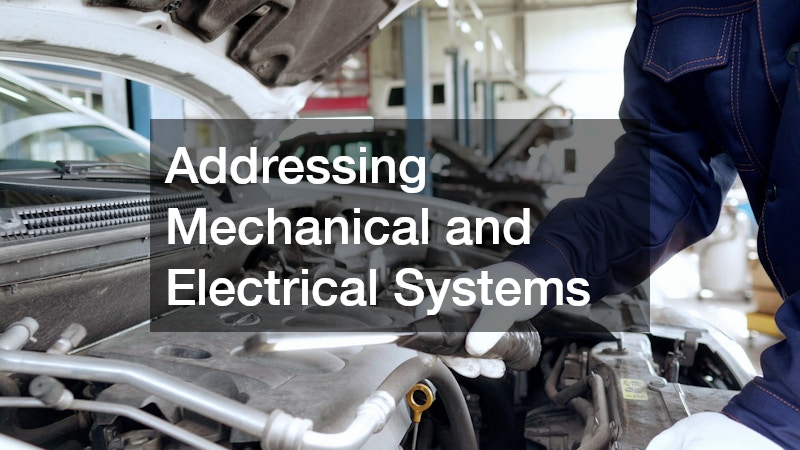
The front-end of a vehicle houses the radiator, various cooling fans, and sensitive engine sensors. A front impact can push the radiator into the engine block, cracking plastic housings and severing electrical connections. Even if the car starts, monitor the temperature gauge closely. An overheated engine can warp cylinder heads and blow head gaskets, turning a straightforward bumper fix into a total engine rebuild. Mechanics will perform a pressure test on the cooling system and scan the onboard computer for hidden diagnostic trouble codes that do not immediately trigger a dashboard warning light.
Evaluating Gear Engagement and Drivetrain Health
Heavy impacts can send shockwaves through the entire drivetrain, potentially dislodging internal components or cracking the outer casing of your gearbox. If you notice delayed shifting, slipping gears, a grinding noise when accelerating, or a complete refusal to engage reverse, your powertrain has suffered internal trauma. Catching these issues early through a dedicated transmission repair diagnostic can prevent a total mechanical breakdown on the road. Drivetrain inspections should also include checking the CV joints, driveshaft, and differential housings for fluid leaks or structural cracks caused by the jarring force of the accident.
Handling Suspension and Steering Geometry
Detecting Signs of Subframe and Component Warpage
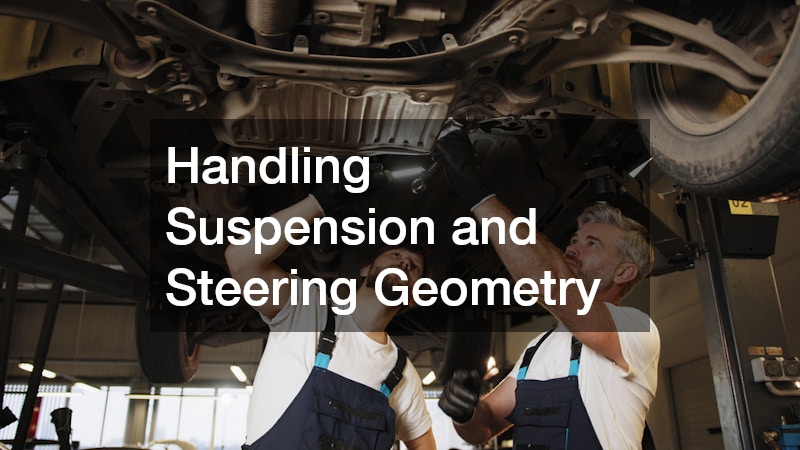
The suspension system takes a massive beating during a crash, especially if your vehicle hopped a curb or was struck from the side. Control arms, tie rods, and steering knuckles are designed to bend under extreme force to protect other components, but this completely ruins your steering geometry. If your steering wheel is crooked when you are driving straight, or if the car pulls hard to one side, you need to seek out auto suspension repairs immediately. Driving with damaged suspension parts puts immense stress on the wheel bearings and can cause your tires to bald completely in just a few hundred miles.
Balancing Wheels and Aligning Axles
Even if no hard parts are broken, the sheer impact of an accident can knock your wheels out of alignment. A comprehensive four-wheel alignment measures the caster, camber, and toe angles of your wheels against the factory layout. Technicians use precision lasers to adjust the suspension linkages until the wheels are perfectly parallel to each other and perpendicular to the road. This process eliminates steering wheel vibrations, improves fuel economy, and ensures that your vehicle tracks safely and predictably during emergency braking maneuvers.
Navigating the Professional Repair Network
Selecting a Qualified Facility for Mechanical Work
Choosing where to send your damaged vehicle is one of the most critical decisions you will make post-accident. You want to look for a certified auto body shop that employs technicians holding recognized industry credentials, such as ASE or I-CAR certifications. These certifications ensure the technicians understand the latest vehicle materials, including high-strength steels and complex aluminum bonding techniques. Do not feel pressured to use the cheapest shop recommended by an insurance company; you have the legal right to choose a facility that uses original equipment manufacturer parts rather than cheap aftermarket imitations.
Utilizing Specialized Diagnostics for Modern Vehicles
Today’s vehicles are essentially computers on wheels, packed with Advanced Driver Assistance Systems, including radar sensors, cameras, and lane-departure warnings. A minor fender bender can knock a bumper-mounted radar sensor out of alignment by just a fraction of an inch, rendering your automatic emergency braking system useless or dangerously unpredictable. A reputable facility will perform pre-scan and post-scan diagnostics to ensure every single safety sensor is calibrated correctly before handing the keys back to you.
Managing Insurance and Financial Hurdles

Documenting Damage to Prevent Claim Disputes
Insurance companies are businesses focused on minimizing payouts, and they will often look for reasons to undervalue your loss or blame pre-existing wear for accident damage. To combat this, take clear, high-resolution photographs of the accident scene, all vehicle angles, and the specific points of impact before any work begins. Keep a meticulous log of all communications with adjusters, including names, dates, and summaries of what was discussed. Having clear documentation is your best weapon if you face unexpected insurance claim denials or if the company tries to cut corners on necessary safety repairs.
Funding Deductibles and Alternative Transportation Costs
While your vehicle is in the shop, everyday life does not stop, and the financial ripple effects of an accident can add up fast. You may be responsible for a hefty insurance deductible upfront before the shop will release your vehicle, and your policy might not fully cover a rental car. If your savings are depleted, some drivers look into short-term personal loans to cover these immediate out-of-pocket expenses while waiting for a final settlement. Managing these costs carefully prevents a temporary vehicular setback from turning into a long-term credit or financial crisis.
Addressing Legal Rights and Protection
Seeking Compensation for Vehicle Depreciation
Even after your vehicle is perfectly repaired, it now carries an accident history report, which automatically slashes its resale value. You have the right to pursue a diminished value claim against the at-fault driver’s insurance to recoup this lost financial equity. Navigating these specialized claims can be incredibly difficult on your own, as insurance companies routinely reject them out of hand. Consulting with an experienced auto accident attorney can help you accurately calculate this hidden loss and force the insurer to pay the true, comprehensive cost of the damage.
Protecting Your Rights During Complex Dispute Processes
If the accident involved injuries, disputed fault, or uninsured drivers, the path to a fair recovery becomes vastly more complicated. Insurance adjusters may try to rush you into a quick settlement offer that fails to cover long-term medical bills or the full scope of your vehicle’s mechanical issues. Partnering with a dedicated personal injury law firm ensures that you have an advocate protecting your health and financial future. A legal professional can handle the aggressive tactics of insurance companies, gather black box data from the vehicles, and ensure you receive the full compensation you are legally owed.
Detailing and Preserving the Restored Vehicle
Removing Hazardous Contaminants and Road Salt
Once your vehicle is mechanically sound and structurally restored, it requires a thorough deep clean to protect the fresh paint and interior surfaces. During the towing, storage, and repair process, cars collect a massive amount of industrial dust, metal filings, and chemical overspray. Seeking out comprehensive car wash services that offer undercarriage flushing and clay bar treatments is essential. Cleaning the underbody removes corrosive road salts and hidden dirt that may have accumulated while the vehicle was sitting idle in a storage lot awaiting insurance approval.
Conditioning Interior Materials and Odor Elimination
The interior of a car often suffers hidden damage during a crash, such as spilled fluids, shattered glass dust, or the chemical residue left behind by deployed airbags. Airbag deployment releases a fine powder consisting of cornstarch or talcum powder, alongside sodium hydroxide, which can irritate the skin and lungs if left uncleaned. A professional interior detailing will involve deep vacuuming with HEPA filters to extract glass fragments, steam cleaning the upholstery to remove chemical stains, and conditioning leather surfaces to prevent cracking. This ensures the cabin environment is completely safe and comfortable for your family.
Maintaining Safety and Prevention Moving Forward
Testing Seatbelts and Supplemental Restraint Systems
One of the most overlooked components after a collision is the seatbelt system. Seatbelt pretensioners use small explosive charges to instantly tighten the belt during an impact, and these are single-use safety devices that must be completely replaced after a deployment. Even if they did not fire, the webbing of the seatbelt can stretch under the immense weight of an occupant during a crash, weakening the fabric and rendering it unsafe for future use. Have a technician inspect the anchors, buckles, and retractors to guarantee that your primary safety restraint system is fully functional.
Setting Up a Routine Mechanical Inspection Schedule
The true quality of a collision repair often reveals itself months down the road. Small vibrations can slowly loosen bolts, or a minor fluid weep can turn into a major leak over time. Schedule a follow-up mechanical checkup roughly thirty days after receiving your vehicle back from the shop. Check your fluid levels weekly, monitor tire wear patterns for any signs of premature balding, and listen carefully for any new squeaks, rattles, or clicks when driving over bumps or turning the steering wheel.
Recovering from a car accident involves much more than simply dropping your vehicle off at the nearest garage and waiting for a call. It requires a systematic approach that balances immediate safety concerns, meticulous mechanical restoration, proactive financial management, and long-term preventative care. By taking charge of the process, documenting every step, and refusing to compromise on the quality of your repairs, you protect both your financial investment and the physical safety of everyone who rides in your vehicle. Stay vigilant, rely on certified experts, and give your car the detailed attention it needs to truly recover from the impact.