Bolting on a cold air intake or dropping in a lowering kit looks simple in a weekend video, but the real price tag often shows up months later in ways nobody warns you about. Insurance premiums climb, warranties evaporate, and small electrical gremlins turn into expensive diagnostic sessions. Before you spend another dollar chasing horsepower or looks, it helps to understand exactly where modified cars quietly bleed money. This guide breaks down the hidden costs that catch enthusiasts off guard so you can plan ahead instead of paying for regret.
Warranty Voids on Engine and Drivetrain Work
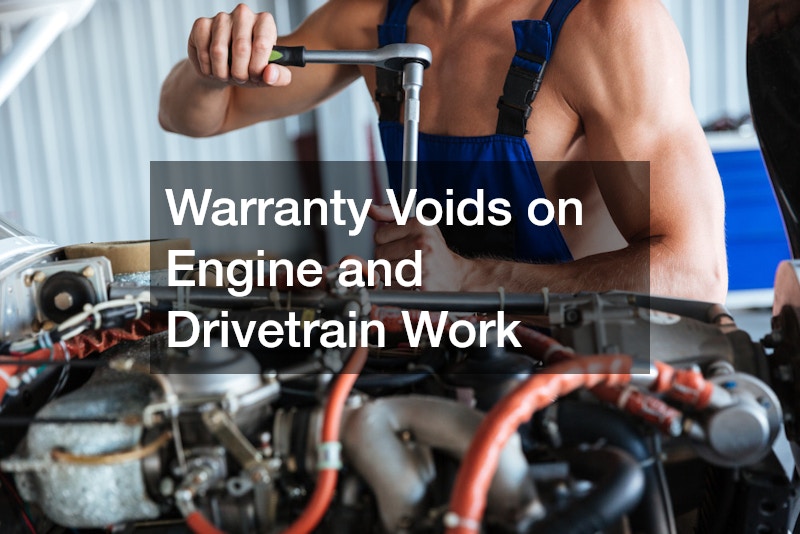
Many owners assume a single modification only affects the part it touches, but manufacturers can deny an entire powertrain warranty claim if they trace a failure back to aftermarket parts. A tuned ECU, upgraded turbo, or aggressive exhaust can give a dealership grounds to refuse coverage on a transmission that fails months later. That leaves you paying full price for transmission repair out of pocket, which can run into thousands of dollars depending on the vehicle.
Before modifying anything tied to the drivetrain, read your warranty terms closely and consider whether the performance gain is worth losing that safety net. Some owners keep factory parts in storage so they can reinstall them before a dealership visit, though this only works for bolt-on changes rather than tuned software.
- Ask your dealership directly what voids coverage versus what is protected under federal law
- Keep receipts and documentation for every modification and every service visit
- Budget separately for repairs once warranty protection is gone
Climate Control Problems After Aftermarket Installs
Adding subwoofers, extra gauges, or aftermarket wiring harnesses often means running cables near the dashboard and HVAC housing, and it is surprisingly easy to pinch a line or disconnect a sensor during installation. Many owners do not notice anything wrong until the middle of summer when the cabin stops cooling properly. At that point, a simple oversight during a stereo install can turn into a full car AC repair bill because refrigerant lines or electrical connectors were damaged.
This is especially common with kits that require removing dash panels or center console trim. If you are not confident tracing every wire back to its original position, it is worth paying a shop to handle the reassembly so nothing gets left loose or crimped behind the panels.
- Photograph wiring and panel placement before disassembly
- Test climate control functions immediately after any interior modification
- Avoid running aftermarket wiring directly over refrigerant lines
Suspension and Alignment Costs After a Lowering Kit
Lowering springs and coilovers change your car’s geometry, which throws off camber, toe, and caster angles that were calibrated for factory ride height. Skipping a proper alignment afterward accelerates tire wear on the inner edges, sometimes within a few thousand miles. That uneven wear forces an early trip to a local tire shop services provider for a full replacement set well before the tires were due.
A quality alignment shop can dial in adjustable control arms or camber kits to compensate for the new ride height, but this add-on service is rarely included in the price of the suspension kit itself. Factor that extra labor cost into your budget from the start rather than treating it as an afterthought.
- Get an alignment immediately after any suspension height change
- Check tire wear patterns monthly during the first few months
- Consider adjustable camber arms if you have lowered more than an inch
Bumper and Body Kit Fitment Issues

Wide body kits, aftermarket bumpers, and fender flares rarely fit as cleanly as the marketing photos suggest. Gaps, misaligned panel lines, and paint mismatches are common, and fixing them properly requires more than a tube of adhesive. Many owners end up at auto body repair shops to have panels trimmed, refitted, and repainted so the car does not look like a home project gone wrong.
Paint matching alone can be a significant expense because factory colors often shift slightly over the years, making it hard for a new panel to blend seamlessly with existing panels. Getting a quote before buying the kit, rather than after installation problems appear, saves both money and frustration.
- Ask for professional installation quotes before purchasing a body kit
- Confirm paint code accuracy with the shop ahead of time
- Inspect panel gaps closely before final payment
Custom Seats and Interior Trim Replacement
Swapping in racing seats, custom shift boots, or a new steering wheel wrap sounds straightforward, but factory upholstery is often integrated with airbag sensors and seat heaters that are easy to damage during removal. Once those components are disturbed, warning lights and malfunctioning safety features become common complaints. Many owners turn to local auto upholstery services to correctly reupholster or repair seats without compromising the internal wiring or airbag deployment systems.
It is also worth remembering that resale buyers are often skeptical of non-factory interiors, especially if stitching quality is inconsistent or seat sensors were bypassed rather than properly rewired. A professional job costs more upfront but avoids liability issues down the road.
- Verify seat heater and airbag wiring compatibility before removing factory seats
- Ask about sensor recalibration after any seat replacement
- Request samples of stitching and material quality beforehand
Camera and Sensor Recalibration After Windshield or Bumper Work

Modern vehicles rely on cameras and radar sensors mounted near the windshield and front bumper for lane keeping, automatic braking, and adaptive cruise control. Installing a new bumper, tinted windshield, or aftermarket grille can knock these sensors out of alignment without any visible sign of damage. Skipping a professional ADAS calibration service after this kind of work means those safety systems may not function correctly when you need them most.
This step is frequently overlooked because it is invisible, unlike a scratched fender or crooked panel. Many insurance claims for modified vehicles get complicated when adjusters discover safety systems were never recalibrated after a modification, which can affect liability in the event of an accident.
- Ask your installer whether recalibration is included or billed separately
- Request written confirmation that sensors were tested after the work
- Avoid tinting the sensor area of the windshield without checking manufacturer guidelines
Electrical Gremlins From Aftermarket Lighting and Audio
LED light bars, underglow kits, and aftermarket amplifiers draw more current than factory wiring was designed to handle, and improper grounding is one of the most common mistakes made during DIY installs. Flickering dashboard lights, drained batteries, and random error codes are frequent symptoms. Diagnosing these issues often takes an experienced auto mechanic several hours because electrical faults can hide behind multiple systems at once.
The labor cost for chasing an intermittent short can exceed the price of the lighting kit itself, especially if wiring was hidden inside door panels or under carpet during installation. Using relays, fuses rated for the added load, and proper grounding points from the beginning prevents most of these headaches.
- Use a relay harness for any high-draw lighting accessory
- Ground new wiring directly to the chassis, not to existing accessory wires
- Test the charging system after adding multiple electrical accessories
Roadside Breakdowns Tied to Modified Components
Performance modifications sometimes push factory components past their intended limits, and a snapped axle, overheating clutch, or blown radiator hose can leave you stranded far from home. When that happens on a highway shoulder late at night, having a reliable option for 24 hour towing services becomes far more important than the horsepower gain that caused the breakdown. Roadside plans that once covered a stock vehicle may also have mileage or condition exclusions for heavily modified cars, so it is worth double-checking your policy.
Carrying basic tools, a portable jump starter, and contact information for a trusted towing company is a small investment that pays off the first time a modified part fails unexpectedly. It also helps to know which shops in your area are comfortable working on modified vehicles, since not every shop wants the liability.
- Confirm your roadside assistance covers modified vehicles
- Keep a physical list of towing contacts in the glovebox
- Ask shops in advance if they service performance builds
General Repair and Maintenance Cost Increases
Beyond the specific systems already mentioned, modified cars tend to need more frequent general attention simply because parts are working outside their designed tolerances. Stiffer suspension components wear bushings faster, aggressive tunes accelerate spark plug and clutch wear, and larger wheels can stress bearings sooner than expected. Regular visits to trustworthy car repair services help catch these issues before they turn into roadside emergencies.
It also pays to find a shop that documents modifications clearly in your service history, since this transparency helps with future diagnostics and potential resale conversations. A shop familiar with your specific build will spot developing problems faster than one seeing your car for the first time.
- Schedule inspections more frequently than the factory-recommended interval
- Keep a written log of all modifications for your mechanic’s reference
- Ask your shop to flag any wear patterns unique to your build
Resale Value and Detailing Considerations
Heavily modified cars often take longer to sell and attract lower offers than clean, well-maintained stock examples, since many buyers view visible modifications as added risk rather than added value. A used car buyer shopping for a specific model often wants factory reliability, not a guessing game about how a suspension swap or tune was installed. Even a modification that cost thousands to install, like a coilover setup or forced-induction kit, may add little or nothing to the resale price if the next buyer doesn’t want it.
Wraps, custom paint, and aggressive wheel setups can also trap dirt and brake dust in ways that are harder to clean than factory finishes. Textured wraps and matte finishes show swirl marks and staining more readily than glossy factory paint, and improper washing can peel edges or dull the film permanently. Deep-dish wheels and multi-spoke aftermarket designs create tight crevices where brake dust cakes on, often requiring specialty brushes and non-acidic cleaners to avoid damaging the finish.
Hiring an experienced auto detailer before listing the car for sale can meaningfully improve first impressions and buyer confidence. A skilled auto detailer knows how to safely treat wrapped panels, ceramic coatings, and custom wheels without introducing scratches or chemical damage that would only add to the list of costly mistakes. Beyond a standard wash, this may include paint correction, engine bay cleaning, and interior odor removal, all of which help offset the skepticism many buyers bring to a modified car.
A thorough detail also gives you a chance to spot cosmetic issues, like curbed wheels, swirl marks, or interior stains, before a potential buyer does. Run your hands along panel edges and check wheel wells for evidence of aftermarket bracket mounts or overspray from a rushed wrap job, since these details often get overlooked during a quick walk-around.
Addressing those small flaws ahead of time often results in a smoother negotiation and a faster sale. A $150 wheel repair or a $75 interior shampoo is far cheaper than the $500-plus discount a sharp-eyed buyer will demand once they spot the same issues themselves.
It’s also worth budgeting for paint correction if you installed anything that required drilling, adhesive mounts, or trim removal, since even careful modding work can leave swirl marks, adhesive residue, or small chips behind. Photographing the car in good lighting after detailing, rather than before, tends to produce listing photos that better reflect the car’s true condition and attract more serious offers.
- Photograph the car in natural light after detailing for online listings, and include shots of both stock and modified parts if you kept the originals
- Disclose modifications honestly to avoid disputes after the sale, including any tuning, suspension changes, or wiring work that could affect warranty or insurance claims
- Keep receipts and install records for major modifications, since documented professional work reassures buyers more than unverified upgrades
- Consider reverting cosmetic changes that limit your buyer pool, such as loud exhausts, aggressive body kits, or non-factory paint colors
- Weigh the cost of reverting against resale gains; a $2,000 wrap removal may only recover half that in added value
- Keep OEM parts stored safely, since selling a car “restored to stock” often broadens interest and speeds up the sale
Modifying a car can be rewarding when it is done with a clear understanding of the real costs involved, not just the price tag on the parts themselves. Before your next upgrade, take time to research how it interacts with warranties, safety systems, and long-term maintenance so you are not caught off guard later. A little planning now, paired with the right professionals along the way, can turn an exciting project into one you never regret.