A vehicular collision is a jarring experience that leaves drivers dealing with physical adrenaline, emotional stress, and complex administrative logistics. Once the scene is clear and everyone is safe, you face a critical financial decision: what should you do with your damaged vehicle?
The choice between repairing, replacing, or scrapping a car after an accident rarely comes down to simple emotion. It requires a clear-eyed assessment of structural integrity, financial feasibility, future reliability, and insurance math. Making the wrong decision can lead to endless mechanical troubles or cause you to sink thousands of dollars into an asset whose market value has permanently degraded.
This comprehensive guide breaks down the decision-making process into structured, actionable steps. By evaluating damage severity, understanding insurance calculations, weighing long-term repair viability, and exploring scrap alternatives, you can confidently choose the most financially sound path forward.
Initial Assessment: Immediate Actions After the Collision

The decisions you make in the hours immediately following an accident set the foundation for your vehicle’s recovery or settlement value. Taking organized, methodical action at the scene prevents minor issues from compounding into expensive headaches later.
Before evaluating mechanical damage, ensure all passengers and drivers are safe and out of traffic lanes. Once safety is secured, thoroughly document the physical scene:
-
Take Wide and Close-Up Photos: Capture the positions of all vehicles involved, road conditions, skid marks, traffic signals, and severe panel damage from multiple angles.
-
Photograph the Undercarriage and Tires: If it is safe to do so, capture photos of fluid leaks beneath the vehicle and the state of the suspension components.
-
Document Interior Impact Points: Take photos of deployed airbags, cracked windshield glass from interior impacts, and bent steering columns.
-
Collect Third-Party Information: Gather witness contact information, police report numbers, and statement details from all other involved motorists.
Arranging Transport to a Safe Diagnostic Facility
Never attempt to drive a vehicle away from a collision scene if you notice fluid leaks, misaligned wheels, deployable safety warnings, or smoke. Driving a damaged vehicle can turn a simple body repair into total engine destruction.
Coordinating with professional local towing services ensures your car is loaded using flatbed carriers rather than traditional wheel-lift trucks that can cause secondary frame or bumper damage. Direct the transport driver to take your vehicle directly to an accredited collision repair service or a secure storage yard rather than your personal driveway, where leaking fluids could pose environmental hazards or violate local neighborhood codes.
Navigating Insurance Valuation and the “Total Loss” Threshold
Understanding how insurance companies calculate vehicle damage takes the mystery out of the claims process. Adjusters do not declare a vehicle “totaled” based on emotional value or superficial cosmetic damage; they rely on strict financial formulas dictated by state regulations and insurance policy terms.
The typical evaluation process follows a structured sequence:
-
Estimate Repairs: An appraiser inspects the vehicle and calculates the total cost of parts, labor, paint, and frame work.
-
Determine Salvage Value: The insurer determines how much the damaged vehicle would sell for as scrap or un-dismantled salvage at an auction.
-
Evaluate Actual Cash Value (ACV): The pre-accident market value of the specific vehicle is established based on local market sales.
-
Apply Formula or Threshold: The combined costs are measured against state guidelines to determine if the vehicle is legally a total loss.
Deciphering the Total Loss Formula and State Thresholds

Insurance companies use one of two standards to determine if a damaged car is a write-off:
-
The Total Loss Threshold (TLT): Many states establish a fixed percentage threshold (typically between 60% and 80%). If the estimated cost of repairs reaches or exceeds this percentage of the vehicle’s pre-accident Actual Cash Value (ACV), the car must legally be declared a total loss.
-
The Total Loss Formula (TLF): Other jurisdictions add the estimated repair cost to the vehicle’s scrap/salvage value. If the sum of repair costs and salvage value exceeds the ACV, the carrier totals the vehicle.
Understanding these financial thresholds helps you anticipate the position your auto insurance company will take once their adjuster reviews the initial repair estimate.
The ACV represents the fair market value of your specific vehicle seconds before the crash occurred. Insurers determine this number using regional sales data, mileage adjustments, and physical condition ratings.
To ensure you receive a fair valuation:
-
Request the Third-Party Valuation Report: Carefully check the report for errors regarding your car’s trim level, optional features, and pre-accident condition.
-
Gather Proof of Recent Maintenance: Present receipts for new tires, recent brake overhauls, or major component replacements completed shortly before the collision.
-
Compare Local Market Listings: Collect private-party and dealer listings for identical makes, models, and mileage ranges in your geographic area to challenge low valuations.
When Repairing Makes Sense: Criteria for Fixing Your Vehicle
If the estimated repair costs fall safely below your state’s total loss threshold, fixing the vehicle is usually the most straightforward path back onto the road. However, a financial green light from insurance does not automatically mean repairing is smart for the long haul.
Cosmetic panels and bolt-on components are easily replaced, but structural or primary mechanical damage requires much deeper consideration.
-
Cosmetic and Outer Panel Damage: Dented doors, scratched bumpers, and broken headlight assemblies are structurally simple repairs that rarely affect long-term vehicle safety or drivability when repaired properly.
-
Structural and Frame Integrity: If the collision crumpled frame rails, unibody aprons, or safety crumple zones, restoring factory-level structural integrity becomes complex and expensive.
-
Drivetrain and Powertrain Reliability: Severe front-end impacts can crack engine blocks, rupture cooling jackets, or shatter transmission housings. In these cases, partnering with a trusted technician who offers local engine repair is vital to determine whether internal mechanical components sustained hidden, fatal damage.
Selecting Qualified Technicians and Specialty Facilities
Complex collision repairs require specialized diagnostic tools, precision hydraulic frame-pulling racks, digital measuring systems, and advanced paint-matching technology to fully restore a vehicle to factory safety standards. Modern automobiles rely on complex crumple zones and sensitive onboard sensor arrays that require exact calibration after an impact.
Ensure your chosen facility employs certified auto mechanics who follow strict, manufacturer-recommended repair procedures rather than taking shortcuts with cheap, non-certified aftermarket parts. European engineering often features specialized metallurgy, lightweight aluminum alloys, complex electronics, and extremely precise tolerances. If you drive a European vehicle, opting for specialized volkswagen repair ensures technicians use original equipment manufacturer (OEM) diagnostic software, dedicated tooling, and approved repair methods specifically tailored to those platform specifications, protecting your car’s long-term safety, performance, and resale value.
The Hidden Costs of Choosing the Repair Route

A body shop estimate only captures the direct labor and parts required to fix visible surface damage. Choosing to repair a severely damaged vehicle often introduces secondary financial burdens, hidden structural complications, and unexpected administrative costs that catch vehicle owners completely off guard.
Once technicians disassemble the vehicle during a standard auto repair, they frequently discover hidden secondary damage—such as hairline cracks in aluminum subframes, compromised sensory radar brackets, subtle suspension misalignment, or pinched wiring harnesses—that adds thousands of dollars to the original preliminary estimate. These unexpected discoveries lead to supplemental insurance claims that stall the restoration process.
Furthermore, a car that has been involved in a major collision suffers from inherent diminished value simply by having a recorded accident history on vehicle reporting databases. Even after flawless physical repairs, expert paint application, and full mechanical restoration, your vehicle will likely fetch 10% to 30% less on the trade-in or private resale market compared to an identical accident-free vehicle. Over time, this immediate loss of equity represents a substantial hidden cost of opting to repair a compromised automobile.
Managing Cosmetic Details and Rental Logistics
Beyond major mechanical and structural work, returning a vehicle to its pre-accident condition involves detailed cosmetic, functional, and convenience considerations. Even when the frame is straight and the engine runs smoothly, lingering visual flaws or unexpected logistical delays can make the overall repair process deeply frustrating and financially draining for vehicle owners.
- Cosmetic Restoration Work: Restoring aged, sun-faded factory paint so it seamlessly blends with newly installed body panels requires high-end finishing work and precision color matching. Investing in specialized paint correction services helps level clear coats, remove subtle overspray, eliminate swirl marks, and erase harsh color boundary lines between new and original panels, ensuring the car looks uniform under direct sunlight.
- Out-of-Pocket Transportation Costs: Major repairs can keep your car in the shop for weeks or even months due to widespread supply chain delays and specialized parts backorders. If your auto insurance policy lacks comprehensive rental reimbursement coverage—or if an extended repair timeline far exceeds your policy’s strict 30-day coverage limits—accumulating daily rental fees and rideshare expenses can quickly erase the remaining financial benefits of fixing the car.
When Scrapping or Selling for Junk is the Smart Move
When repair estimates eclipse the car’s market value—or when structural damage makes safe repair impossible—scrapping or selling the vehicle as a junk car provides an immediate financial exit strategy.
Scrapping is often the most sensible choice under the following conditions:
-
The 50% Rule for Older Vehicles: If the cost of fixing a damaged, high-mileage vehicle exceeds 50% of its fair market value, sinking money into repairs is rarely a sound investment.
-
Severely Compromised Safety Systems: If multiple airbags deployed, wire harnesses melted, or structural pillars warped, the cost of re-certifying safety systems often outweighs the car’s remaining value.
-
Salvage Title Liabilities: Rebuilding a totaled vehicle requires passing stringent state safety inspections to secure a rebuilt title. Rebuilt vehicles are notoriously difficult to insure comprehensively and hold very low resale value.
If you choose to walk away from the vehicle, you can monetize its remaining scrap metal and usable components.
Services that buy damaged or non-running vehicles offer fast cash based on metal weight and recoverable component value. Reaching out to businesses that buy and sell junk cars allows you to trade a non-drivable, totaled vehicle for liquid cash without paying towing fees out of pocket. If you have mechanical skills, time, and storage space, removing high-value components—like the alternator, catalytic converter, infotainment modules, and pristine interior leather—to sell individually can yield a higher total return than selling the car whole to a local junk yard.
How to Choose: A Practical Decision-Making Checklist
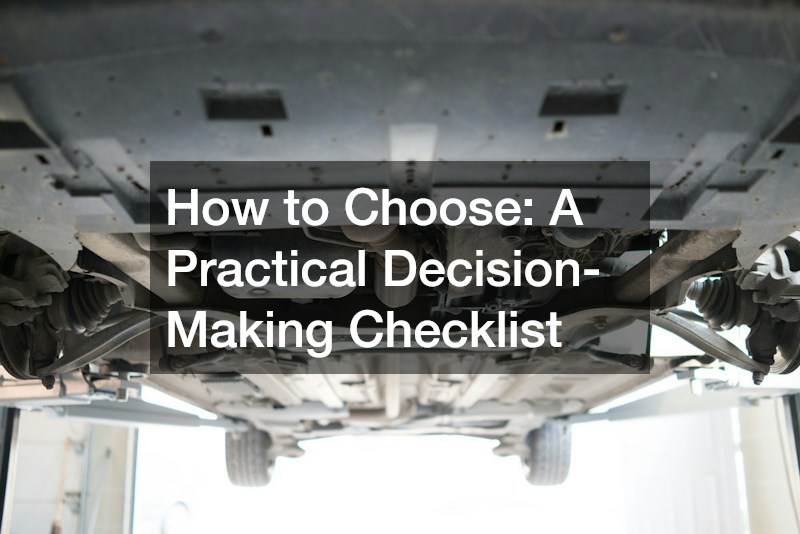
To determine whether to repair, replace, or scrap your vehicle, work through this step-by-step decision framework.
First, establish the financial reality of your situation:
-
Calculate the vehicle’s pre-accident Actual Cash Value (ACV) using market listings.
-
Obtain two comprehensive repair estimates from reputable facilities offering local collision repairs.
-
Calculate the repair ratio by dividing the estimated repair cost by the pre-accident ACV and multiplying by 100.
Second, evaluate safety and long-term viability:
-
Did the collision warp frame rails or structural unibody pillars?
-
Did primary safety systems, such as airbags or seatbelt pretensioners, deploy?
-
Will the vehicle require a salvage or rebuilt title post-repair?
Third, compare payout options against out-of-pocket costs:
-
Compare the insurance total-loss payout against the cost of buying a reliable replacement vehicle.
-
Factor in inherent diminished value if you decide to repair and sell the car later.
-
Calculate out-of-pocket costs for rental cars, storage fees, and non-covered repair supplements.
When evaluating your final numbers, keep these rule-of-thumb guidelines in mind. Choose to repair if estimated repairs are under 50% to 70% of the ACV, there is zero structural frame damage, the drivetrain remains intact, and the vehicle is relatively new. Choose to scrap or replace if the structural frame is warped, multiple airbags deployed, repairs exceed 75% of the ACV, or the car will require a branded salvage title to legally return to the road.
Deciding whether to repair, replace, or scrap a damaged vehicle requires balancing immediate financial constraints against long-term safety and reliability. By removing emotion from the process, thoroughly documenting the damage, and understanding how insurance formulas apply to your situation, you can protect your financial wellbeing.
Whether you choose to restore your vehicle through qualified technicians or opt to sell it for salvage value and move on to a safer replacement, taking a methodical approach ensures you make the best decision for your budget, your schedule, and your peace of mind.