Vehicles, transportation systems, and supporting equipment rely on a wide network of services to operate safely and efficiently. From daily commuting to commercial transport and specialized equipment use, performance depends on consistent maintenance, timely repairs, and reliable infrastructure. When these services work together, they help reduce downtime, extend lifespan, and support dependable operation across a wide range of applications.
Understanding how different support services contribute to performance allows owners and operators to make better decisions. Whether the focus is safety, longevity, or efficiency, knowing which services address specific needs helps prevent small issues from becoming costly disruptions. A well-supported vehicle or system is not only more reliable but also easier to manage over time.
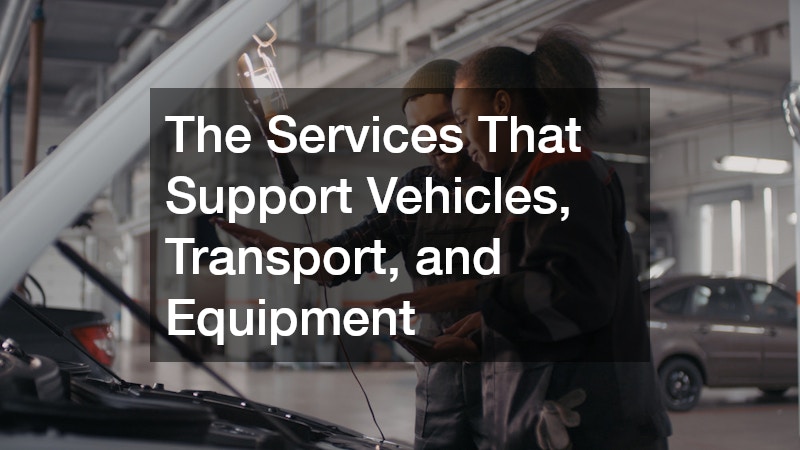
As vehicles and equipment become more advanced, the need for coordinated support becomes even more important. Modern systems often rely on precision components, integrated electronics, and specialized materials that require knowledgeable service. Without proper attention, minor issues can affect performance across multiple systems, leading to broader operational challenges.
Taking a proactive approach to support services also helps owners plan ahead. Rather than reacting to failures, structured maintenance and repair strategies allow for predictable scheduling and better cost control.
Maintaining Reliable Vehicle Performance
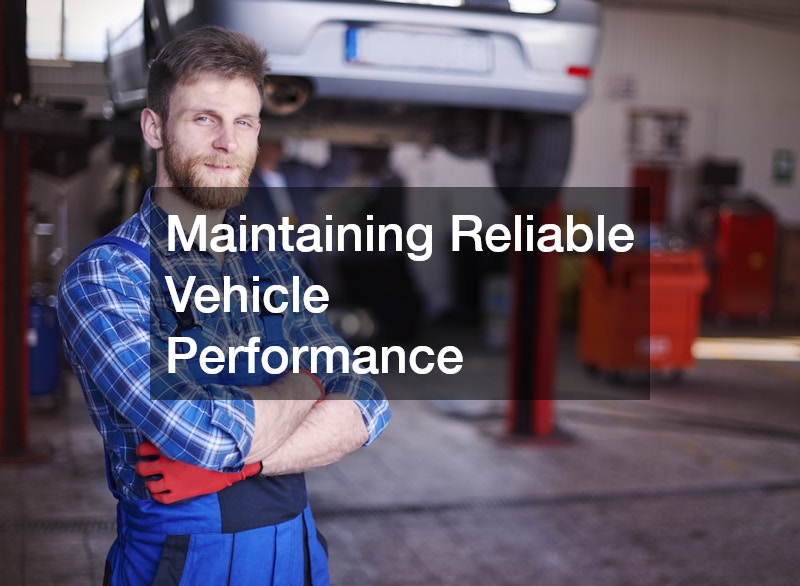
Reliable vehicle performance begins with consistent attention to essential systems. Engines, fluids, belts, sensors, and diagnostics all influence how a vehicle functions on a daily basis. Regular upkeep supports efficiency, helps maintain safety, and reduces the likelihood of unexpected breakdowns that can interrupt schedules or operations.
A car mechanic supports this reliability by identifying wear, addressing mechanical concerns, and performing routine service before problems escalate. Through inspections and preventative care, potential issues can be spotted early, allowing corrective action to take place before larger failures develop.
Ongoing performance support also improves drivability and fuel efficiency. Vehicles that receive regular attention tend to respond more smoothly, operate more quietly, and place less strain on major components. Over time, this consistency helps preserve overall condition and supports longer service life.
For owners who rely heavily on their vehicles, performance reliability translates directly into convenience and confidence. Knowing that systems are being monitored and maintained allows drivers to focus on daily responsibilities rather than mechanical uncertainty. This steady approach to upkeep supports both short-term dependability and long-term value.
Supporting Transmission Function and Longevity
The transmission is one of the most complex and demanding systems in any vehicle. It manages power transfer, supports smooth acceleration, and plays a central role in how a vehicle responds under different driving conditions. When transmission performance begins to decline, it can affect overall control and efficiency.
Transmission repair services address these concerns by diagnosing internal wear, fluid-related issues, and component stress. Early attention helps restore proper operation and prevents damage from spreading to other parts of the system. Timely service also supports smoother shifting and more consistent power delivery.
Transmission care contributes to a more comfortable driving experience. Properly functioning systems reduce jerking, hesitation, and strain during acceleration or deceleration. This not only improves performance but also reduces stress on related components, supporting broader vehicle health.
Long-term transmission support helps protect one of the most costly systems in a vehicle. By addressing warning signs early and maintaining proper operation, owners can extend usability and avoid sudden failures. This proactive approach supports dependable performance and allows vehicles to remain functional and responsive over time.
Keeping Braking Systems Safe and Responsive
Braking systems are critical to vehicle safety, control, and overall driving confidence. These systems are designed to respond quickly and consistently under a wide range of conditions, from routine stops to sudden emergencies. When braking components function properly, drivers can maintain control and reduce the risk of accidents caused by delayed or uneven stopping.
Brake repair helps maintain this level of responsiveness by addressing worn pads, damaged rotors, or hydraulic issues before they compromise safety. Timely service supports even braking performance and reduces strain on related components. By keeping braking systems in proper condition, vehicles remain safer to operate and better equipped to handle daily driving demands.
Beyond immediate safety, consistent braking performance supports smoother vehicle operation overall. Reliable stopping power reduces stress on tires, suspension components, and steering systems, helping maintain balanced handling. This consistency also improves driver confidence, particularly in traffic or changing road conditions.
Preventative attention to braking systems can also help owners plan maintenance more effectively. Addressing gradual wear early allows service to be scheduled conveniently rather than responding to sudden failure. This proactive approach supports both safety and long-term vehicle reliability while reducing unexpected downtime.
Restoring Exterior Vehicle Components
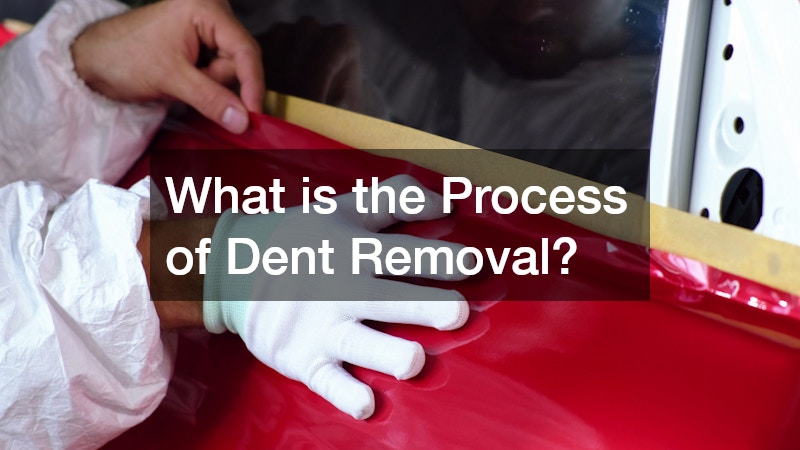
Exterior components protect vehicles from damage while also contributing to appearance and structural integrity. Panels, bumpers, and protective surfaces are designed to absorb minor impacts and shield critical systems underneath. Over time, exterior damage can affect both safety and visual appeal if not addressed.
Bumper repairs focus on restoring damaged sections to proper condition, helping maintain protection and alignment. Addressing exterior damage promptly prevents underlying issues such as corrosion or misalignment from developing. Restoring these components supports both functionality and appearance, helping vehicles remain reliable and presentable.
Well-maintained exterior components also help preserve resale value. Vehicles with intact protective features and clean lines tend to reflect better overall care, which can influence long-term ownership decisions. Maintaining exterior integrity supports both practical performance and visual consistency.
In addition, properly restored exterior components help maintain aerodynamic efficiency. Panels that fit correctly reduce unnecessary drag and noise while supporting smoother operation at higher speeds. This attention to detail contributes to a more refined driving experience and supports overall vehicle condition.
Preparing Vehicles for Travel and Recreation
Travel and recreation place unique demands on vehicles, requiring preparation that supports comfort, safety, and reliability. Extended trips, towing, or recreational use often involve additional weight, electrical needs, and storage considerations. Proper preparation helps reduce strain and improves overall performance during travel.
A new camper introduces these considerations by adding living space and utility systems that must integrate smoothly with the vehicle. Preparing for this type of use involves evaluating capacity, stability, and compatibility. With thoughtful planning and setup, vehicles can support recreational travel more comfortably while maintaining dependable operation.
Preparation also includes understanding how added equipment affects handling and fuel use. Adjustments to suspension, braking, and electrical systems help maintain balance and control under increased load. These considerations support safer operation during longer trips and varied terrain.
Supporting Access and Storage Systems
Access and storage systems play an important role in how vehicles, equipment, and facilities are used and protected. Garages, workshops, and storage areas must allow smooth entry and exit while also supporting security and organization. When access systems function properly, they help streamline daily operations and reduce unnecessary delays.
A roll up door supports these needs by providing efficient access to enclosed spaces without taking up additional room. This type of system is commonly used in garages, warehouses, and service areas where durability and ease of operation matter. Proper installation and maintenance help confirm smooth movement, reliable security, and long-term performance in high-use environments.
Beyond convenience, well-designed access systems contribute to safety and workflow efficiency. Reliable openings reduce the risk of accidents caused by sticking mechanisms or limited clearance. They also allow vehicles and equipment to move in and out of spaces more smoothly, which is especially important in busy or commercial settings.
Storage efficiency improves when access systems are matched to how the space is used. High-clearance openings, dependable controls, and consistent operation allow owners to maximize usable space without compromising accessibility.

Protecting Equipment with Durable Materials
Equipment and vehicles are often exposed to weather, debris, and changing environmental conditions. Protective materials help shield structures and stored assets from damage while supporting long-term durability. Choosing resilient materials helps reduce maintenance needs and preserves functionality over time.
A metal roof company contributes to this protection by supporting roofing solutions designed to withstand demanding conditions. Durable roofing materials help protect equipment, storage areas, and workspaces from moisture and temperature extremes. When protection is consistent, facilities are better equipped to support daily operations without interruption.
Long-lasting exterior protection also helps prevent gradual deterioration that can go unnoticed. Water intrusion, heat exposure, and repeated weather cycles can weaken structures if materials are not properly suited for the environment. Durable solutions reduce the likelihood of costly repairs and help maintain stable interior conditions.
Protective materials also support operational reliability. When facilities remain dry and structurally sound, equipment stored inside is less likely to experience corrosion or performance issues.
Supplying Components for Industrial Applications
Industrial and mechanical systems rely on precision components to operate safely and efficiently. These parts must handle pressure, stress, and repeated use without failure. Reliable components support smooth operation and reduce the likelihood of breakdowns that affect productivity.
Forged steel fittings support these applications by providing strength and consistency where connections and joints are critical. Their durability makes them suitable for demanding environments where performance and reliability are essential. Using well-constructed components helps maintain system integrity and supports long-term operational stability across a wide range of equipment uses.
High-quality components also improve safety. Strong connections reduce the risk of leaks, failures, or unexpected system disruptions that could damage equipment or cause downtime. When systems are built with dependable parts, operators can focus on performance rather than constant monitoring or repairs.
In addition, reliable components support scalability. As systems expand or workloads increase, durable fittings help maintain consistent performance under added demand.
Facilitating Transportation and Mobility Services
Transportation services play a vital role in keeping people and operations moving efficiently. Whether supporting daily travel, business logistics, or specialized transport needs, reliable mobility solutions help reduce delays and improve coordination. Well-organized transportation systems contribute to smoother schedules, better time management, and more predictable outcomes for individuals and organizations alike.
Airport transportation services support this efficiency by providing dependable connections between vehicles, passengers, and destinations. These services help streamline travel planning and reduce uncertainty during busy schedules. By offering structured, timely support, transportation services contribute to smoother transitions and help maintain consistency across travel and operational needs.
Beyond convenience, reliable transportation services support productivity. When travel is coordinated effectively, employees, clients, and partners can focus on their objectives rather than logistics. Missed connections and unnecessary delays can disrupt schedules and reduce efficiency, making dependable transportation an important part of broader operational planning.
As travel demands increase, structured mobility services help manage volume and complexity. Clear scheduling, predictable routes, and consistent service standards allow transportation systems to scale while maintaining reliability.
Managing Environmental and Mechanical Systems
Environmental and mechanical systems influence how equipment operates and how safely systems function. Managing airflow, emissions, and internal conditions helps protect components while supporting performance and longevity. Attention to these systems reduces unnecessary strain and helps maintain consistent operation under varying conditions.
Vapor management plays a role in controlling emissions and maintaining safe operating environments. Proper handling helps reduce exposure, protect mechanical components, and support consistent system performance. When environmental factors are managed effectively, equipment operates more reliably and with fewer disruptions.
Effective system management also supports compliance and workplace safety. Controlling emissions and internal conditions helps reduce risks associated with buildup or improper ventilation. These measures contribute to healthier environments for operators and protect equipment from premature wear caused by uncontrolled exposure.
Over time, consistent management of environmental and mechanical systems helps extend equipment lifespan. Reduced corrosion, balanced internal conditions, and stable operation lower the likelihood of sudden failures. This proactive approach supports reliability while helping owners avoid costly repairs and unexpected downtime.
Vehicles, transportation, and equipment rely on a wide range of supporting services to function effectively. From mechanical performance and safety systems to infrastructure, storage, and mobility support, each service contributes to overall reliability and longevity. When these elements work together, they help reduce downtime and support consistent operation across many uses.
Understanding how each support service fits into the larger system allows owners and operators to plan more effectively. Addressing needs proactively helps prevent disruptions and supports smoother daily operation. Maintenance, protection, and coordination all play a role in preserving performance and efficiency.
A comprehensive support approach also helps protect long-term investments. Vehicles and equipment that receive consistent care tend to perform better and remain usable for longer periods. By recognizing the value of coordinated services, owners can make informed decisions that support reliability and efficiency.